Table of Contents
Why Recently Funded Companies Are a High-Value Target
Best Sources to Find Recently Funded Companies
How to Time Outreach to Funded Companies
Common Mistakes When Prospecting Funded Companies
How Cleverly Uses Funding Signals in B2B Outreach Campaigns
Conclusion
Frequently Asked Questions
Modified On :
August 27, 2026
Key Takeaways
- Funding removes the biggest blocker in B2B sales: no budget. That's why it's one of the strongest signals you can build a prospecting motion around.
- Speed beats database size. The rep who reaches a decision-maker in the first two weeks after a raise almost always outperforms the one working from a more "complete" list a month later.
- No single tool covers the whole picture. Databases are accurate but slow. Alert platforms are fast but shallow on contact data. You need a combination, not a single subscription.
- Funding stage should change your message, not just your target list. A Series A company and a Series C company are buying for completely different reasons.
- A funding signal without a verified contact is just information. The value only shows up once it turns into an actual conversation with the right person.
A funding round is one of the loudest signals a B2B seller can get. It tells you a company has fresh capital, new priorities, and pressure to move fast. Most other buying signals are guesswork. This one comes with a dollar amount attached.
The data backs this up. 75% of B2B sales engagements in 2025 originated from signal-based triggers like leadership changes or funding rounds. And funding specifically carries outsized weight.
Companies that recently raised capital are 3 to 5 times more likely to purchase new software within 12 months compared to companies without a recent funding event, and sales teams using funding data see meaningfully higher response rates than cold outreach.
On the win-rate side, accounts with an active buying trigger convert at a 37% win rate, nearly double the 19% rate for cold outreach to similar companies with no documented trigger.
The catch is that everyone sees the same TechCrunch headline. This guide covers where to actually find recently funded companies before the crowd shows up, which sources are worth paying for, and how to time your outreach so you're not the fifteenth vendor in someone's inbox.
If you're an SDR, founder, or demand gen lead building a funding-based prospecting motion, this is your playbook.

Why Recently Funded Companies Are a High-Value Target
Money changing hands is rarely subtle. When a company closes a round, three things happen almost immediately: budget gets approved faster, priorities shift toward growth, and someone internally gets a mandate to spend it.
That's what makes companies that got funding recently different from most other prospecting lists. You're not guessing whether they have a budget. You know they do, because it was just reported publicly.
Funding stage changes what they're buying
Not every funded company needs the same thing:
- Series A companies ($2M-$15M raised) are usually building basic infrastructure. Think first CRM, first real sales process, first marketing hire.
- Series B and C companies ($15M-$100M+) are past that stage. They're scaling what already works and buying enterprise-grade tools to support headcount growth.
Pitching a Series A startup like it needs enterprise software wastes the opportunity. Pitching a Series C company like it's still figuring out the basics does the same thing in reverse.
The signal is public, which cuts both ways
Funding announcements are specific. You can reference the round size, the lead investor, and the stated use of funds directly in your outreach, which makes for a much stronger opener than a generic "hope this finds you well."
But specificity is a double-edged sword. Every other vendor targeting the same segment sees the exact same announcement at the exact same time.
If a raise is trending on LinkedIn, the prospect has probably already gotten a handful of nearly identical messages before yours arrives.
🎯 Find the Signal. Reach the Right Buyer.
Our LinkedIn, cold email, and cold calling campaigns help you turn high-intent signals into 15–30 qualified meetings every month.
Best Sources to Find Recently Funded Companies
Speed and contact data are the two things that actually separate good sources from mediocre ones. Most databases are accurate but slow to update. Most alert tools are fast but weak on decision-maker contact info. You'll likely need more than one source to cover both gaps.
Here's a quick comparison before we get into each one:
Crunchbase
Crunchbase Pro is usually the first stop for teams building recently funded companies in USA list. Pricing runs around $49 to $99 per user per month, with the lower rate tied to annual billing and the higher rate for month-to-month. It gives you filters for round size, date, investors, and industry, plus CSV export and saved search alerts for new raises in your target segment.
The tradeoff: Crunchbase is built for company-level research, not contact sourcing. You'll find the company that raised money. You won't find the VP of Sales's email address in the same platform.
Pro tip: Set up saved searches by industry and round size rather than scrolling the general funding feed. It cuts research time significantly and surfaces alerts the moment a matching company appears.
PitchBook
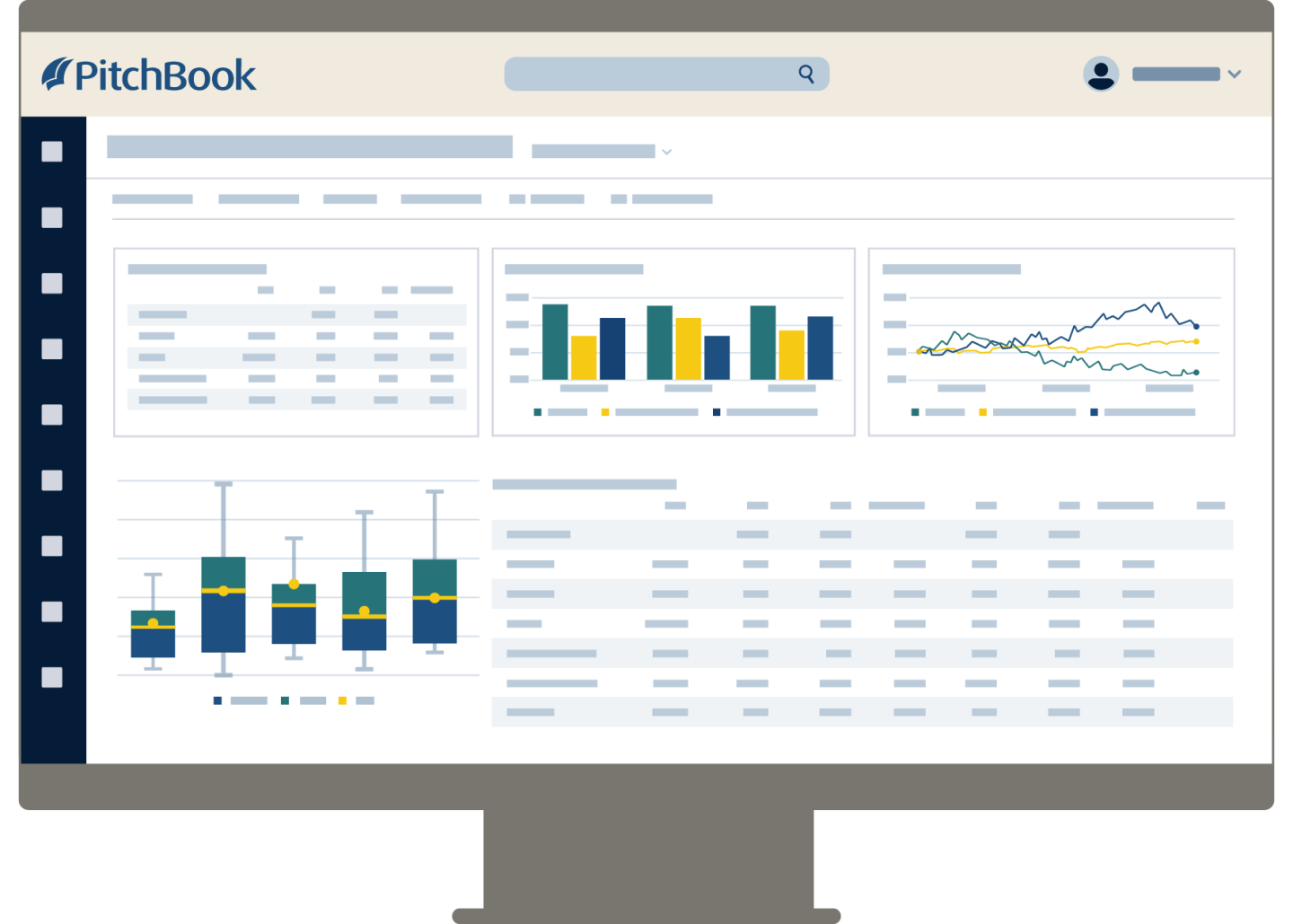
PitchBook goes deeper than Crunchbase on the investment side, tracking detailed PE and VC activity, but the pricing puts it out of reach for most sales teams. Contracts typically range from $12,000 to $70,000+ per year, with a median around $30,000 and single-user licenses starting closer to $15,000-$25,000. Pricing isn't published; every deal requires a custom quote.
Unless your team is already using PitchBook for broader investment or market research, it's overkill if funding-based prospecting is your only use case. Crunchbase Pro gets you 80% of the relevant data at a fraction of the cost.
Real-Time Funding Alert Platforms
Tools like Harmonic.ai and Catch The Signal exist specifically to close the speed gap that traditional databases leave open. Harmonic tracks startups and growth-stage companies in real time, aggregating data across headcount changes, job postings, funding rounds, and leadership hires to surface companies before they show up with accurate data in tools like Apollo or ZoomInfo. It also supports direct Slack alerts, so a matching company lands in your team's channel the moment it qualifies rather than sitting in a dashboard nobody checks.
Catch The Signal takes a similar approach from a broader angle. It aggregates funding, hiring, and other opportunity signals from 10+ sources with alerts refreshed roughly every 24 hours, which makes it a solid layer for catching smaller or earlier-stage rounds that bigger databases sometimes miss entirely.
Purpose-built alert tools like these are worth prioritizing specifically because traditional databases are often weeks behind live rounds and tend to miss accelerator cohorts and smaller pre-seed raises altogether.
LinkedIn and Direct Company Announcements
Startups love to announce funding on LinkedIn before it hits any press outlet. Following the company page directly, or following the investors and VCs backing your target segment, often surfaces the news before it's indexed anywhere else.
It's free and it's immediate. The downside is that it requires active, manual monitoring instead of a centralized feed. If you're not checking regularly, you'll miss the window that makes this source valuable in the first place.
Google Alerts and Press Coverage
Setting up Google Alerts for funding-related terms combined with your target industry ("Series A" + "logistics software," for example) catches announcements as they publish. It's a free, useful supplementary layer, especially for catching regional or niche coverage a paid tool might not index.
It's less structured than a dedicated database, so treat it as a backup layer rather than your primary source.
How to Time Outreach to Funded Companies
Finding the funding announcement is only step one. Timing determines whether it actually turns into a conversation.
The first two weeks matter most. Reps who land in the inbox within two weeks of an announcement see the strongest results. After that window, the prospect has usually already heard the same pitch from several other vendors, and the "congrats on the raise" opener starts to feel stale.
But the buying window is wider than two weeks. The 3-6 month period after funding remains a strong buying stretch even once the initial rush passes. Companies are still hiring, still evaluating vendors, and still working through the priorities that raise was meant to fund.
Match your message to the stage. A Series A message should focus on foundational needs: getting a repeatable process in place, building infrastructure that didn't exist before. A later-stage message should focus on scaling: handling volume, adding enterprise-grade reliability, supporting a bigger team.
Reference the specific round. Skip "saw your news" and use the actual details: round size, lead investor, stated use of funds. Specificity signals you actually read the announcement instead of running a mail merge off a funding list.
🚀 Smarter Prospecting. Stronger Pipeline.
With 53,000+ meetings booked and $312M+ in pipeline generated, Cleverly helps 10,000+ businesses turn buying signals into predictable growth.
Common Mistakes When Prospecting Funded Companies
A few patterns show up again and again on teams that don't get much return from funding-based prospecting:
- Relying on one slow database. If your only source updates weekly, you're consistently arriving after the highest-relevance window has closed.
- Sending the same message to every funded company. A generic "congrats, want to chat?" ignores that a $3M seed round and a $60M Series C mean completely different things to the company that raised it.
- Skipping the contact data step. A funding alert with no decision-maker attached to it is just trivia. It doesn't move a deal forward on its own.
- Treating funding as a one-time trigger. The best window is the first two weeks, but the 3-6 month period afterward still counts. Teams that check the box once and move on leave pipeline on the table.
How Cleverly Uses Funding Signals in B2B Outreach Campaigns
Spotting a funding round is the easy part. Reaching the right person with a message that actually references what just happened, inside a two-week window, is where most in-house efforts fall apart.
It takes a database subscription, an alert setup, a contact sourcing process, and a copywriter who can turn all of it into something that doesn't sound automated. Most teams manage one or two of those pieces well and let the rest slide.
As a done-for-you B2B lead generation agency, we build trigger-based signals like recent funding directly into our list-building process for LinkedIn, cold email, and cold calling campaigns, pairing every signal with a verified decision-maker contact rather than just a company name.
The value of a funding alert only shows up once it's converted into fast, relevant outreach, so that's the part we're built around.
We've generated 224,700+ leads and $312M in client pipeline for companies running exactly this kind of trigger-based outreach at scale.
If you'd rather have this running consistently than managed manually between other priorities, book a strategy call and we'll walk you through how it would work for your ICP.
Conclusion
Recently funded companies are valuable prospects because fresh capital and new priorities almost always go together. But finding the signal isn't the hard part anymore. Plenty of tools can tell you who raised money.
What separates the reps who convert this into pipeline from the ones who don't is speed, a source strategy that combines a fast alert layer with a broader database, and a message that's built around the specific round instead of a generic congratulations.
The takeaway is simple: the funding announcement gets you in the door. Verified contact data and a fast, relevant follow-up are what actually turn that door into a booked meeting.
Frequently Asked Questions
Free Resource
How to Scale a Profitable Cold Call System
Get the complete guide — download it instantly now.

Free Ebook
Download the Free Guide
Enter your details to get instant access.
You're all set! 🎉
Your ebook is downloading now.
Click below if the download didn't start automatically.