

Table of Contents
What Is a Lead Pipeline?
Why a Scalable Lead Pipeline Matters
Lead Pipeline Stages Explained
How to Build a Lead Generation Pipeline (Step-by-Step)
Strategies to Build a Consistent B2B Lead Pipeline
Common Mistakes That Break Lead Pipelines
Metrics to Track for a Healthy Lead Pipeline
Tools That Help Build and Scale Lead Pipelines
How Cleverly Builds Scalable Lead Generation Pipelines
Conclusion
Frequently Asked Questions
Modified On :
October 16, 2026
Key Takeaways
- A lead pipeline is a system, not just a list of contacts.
- Clear pipeline stages make it easier to track progress and spot drop-offs.
- Multi-channel outreach across email, LinkedIn, and phone drives the most consistent results.
- Follow-ups and qualification are where most pipelines win or lose.
- Track reply rate, meeting rate, conversion rate, and pipeline value weekly.
- Consistent outreach beats sporadic bursts every single time
Most of the time it is not a lead problem. It’s a system problem.
When your pipeline is built on random tactics and one-off campaigns, growth becomes unpredictable. Some months are great. Others are dead quiet. And you never really know why.
A structured lead pipeline changes that. It gives you a repeatable process to fill your calendar with qualified prospects, keep your sales team busy, and grow revenue on your terms.
In this guide, we'll walk you through:
- The core lead pipeline stages
- How to build a scalable lead generation pipeline from scratch
- Proven strategies to maintain consistency month after month
Let's get into it.
What Is a Lead Pipeline?
A lead generation pipeline is the structured path a prospect takes from first contact to closed deal. It's not just a list of leads. It's a system that tracks where every prospect is, what's been done, and what needs to happen next.
Lead pipeline vs. sales funnel - what's the difference?
Both matter, but the pipeline is what drives day-to-day revenue activity.
In a healthy pipeline, leads move through clearly defined stages, from prospect to qualified lead to booked meeting to closed deal. Each stage has a clear action, and nothing falls through the cracks.
That's how a well-run sales lead pipeline ties directly to predictable revenue.
Also Check: Proven & Scalable Methods to Increase Your B2B Sales Pipeline
What Is Pipeline Generation? (And How It Differs From Lead Generation)
Pipeline generation is the process of creating qualified sales opportunities your team can actually work and close. It covers everything from finding the right accounts to booking the meeting and handing it to sales. The output is open deals, not a list of names.
You’ll also see it called pipeline lead generation. Same idea. The goal is leads that turn into real pipeline, not leads that sit in a spreadsheet.
Your lead pipeline is the system. Pipeline generation is the work that fills it.
Pipeline generation vs. lead generation
Every pipeline generation motion starts with lead generation. Not every lead generation motion ends in pipeline. That’s how a team can report 500 new leads and still miss quota.
Related: What “Good Lead Quality” Actually Means in B2B
Pipeline is not revenue (yet)
A big pipeline number looks great on a dashboard. It’s still not money.
Pipeline is potential revenue. How much of it closes depends on your win rate. Recent benchmark data puts the average B2B win rate at about 21% across all opportunities, and closer to 29% for properly qualified ones.
Do the math. $500,000 in pipeline at a 21% win rate is about $105,000 in closed revenue. Not $500,000.
So treat pipeline as a leading indicator. It tells you what could close and roughly when. Revenue is the result.
Who owns pipeline generation?
Both sales and marketing. But one person needs to own the number.
Here’s how it usually splits:
- Marketing owns inbound demand: content, SEO, paid, and events.
- SDRs and outbound teams own outreach: the email, LinkedIn, and calls that book meetings.
- Account executives own the handoff from meeting to opportunity, plus any deals they source themselves.
- Sales leadership or RevOps owns the target, the definition of “qualified,” and the reporting.
Where teams get stuck is the definition. If marketing counts a form fill as pipeline and sales only counts accepted opportunities, you’ll argue about numbers all quarter.
Agree on one definition of a qualified opportunity. Share one pipeline target. Report on it together.
Later in this guide, we’ll show you how to work out how much pipeline you actually need.
🔥 Predictable Pipeline. Zero Guesswork.
10,000+ companies use Cleverly to generate meetings with buyers at Amazon, Google, Uber & more. Plans start at just $397/mo.
Why a Scalable Lead Pipeline Matters
Without a scalable pipeline, you're always reacting. With one, you're always ahead. Here's what a solid sales lead pipeline actually does for your business:
1. Predictable revenue — You know roughly how many leads are entering the pipeline and what percentage will convert, so forecasting becomes a lot more reliable.
2. Better sales forecasting — Leadership can plan hiring, capacity, and spend based on real pipeline data, not gut feelings.
3. Improved conversion rates — When every lead is properly nurtured and followed up, fewer deals slip through the cracks.
4. Efficient use of sales resources — Your team focuses only on qualified, sales-ready leads instead of chasing cold, unfit prospects.
5. Reduced dependency on inbound — Outbound pipelines give you control. You're not sitting around waiting for leads to come to you.
Read More: Sales Forecasting vs Pipeline Management (Real Difference)
How to Build a Pipeline Generation Plan: Reverse-Engineer Your Pipeline Target
A pipeline generation plan starts with your revenue target and works backward. You work out how many deals you need, how many opportunities that takes, and how many meetings and leads it takes to get there. Then you turn it into weekly activity for each rep.
Most teams do it the other way around. They pick an outreach volume, hope for the best, and find out in month three that they’re short. Backward math fixes that.
Step 1: Start from the revenue target
Pick the new revenue number you need for the period. Divide it by your average deal size. That’s how many deals you need to close.
Step 2: Work back through win rate
Divide deals needed by your win rate. That gives you the opportunities you need. Add a 20% buffer, because deals slip.
Use your own CRM win rate, not an industry average. Benchmarks are a sanity check. They’re not an input.
Step 3: Check your pipeline coverage ratio
Pipeline coverage ratio is your qualified pipeline divided by your revenue target. You’ve probably heard you need 3x. That only works if you win about one in three deals.
A better formula is 1 divided by your win rate, then multiplied by 1.2 for slippage. At a 25% win rate, that’s 4.8x.
Step 4: Turn pipeline into meetings and leads
Now go further up the funnel. Here’s the math for a team that needs $300,000 in new revenue this quarter. These numbers are examples. Swap in yours.
Step 5: Set weekly activity targets per rep
Say you have two reps. Split the monthly numbers across about four and a half weeks, and each rep needs roughly:
- 12 qualified leads a week
- 4 meetings booked a week
- 400 prospects contacted a week, if about 3% of contacted prospects become qualified leads
Review these every week. If you’re short on meetings, find where the leak is: contact volume, reply rate, or qualification.
Know your number but short on volume? That’s the gap we fill. We build campaigns around the pipeline you need, not a generic lead count.
Lead Pipeline Stages Explained
Every effective lead generation pipeline is built on the same core stages. Here's how each one works.
Stage 1: Prospecting
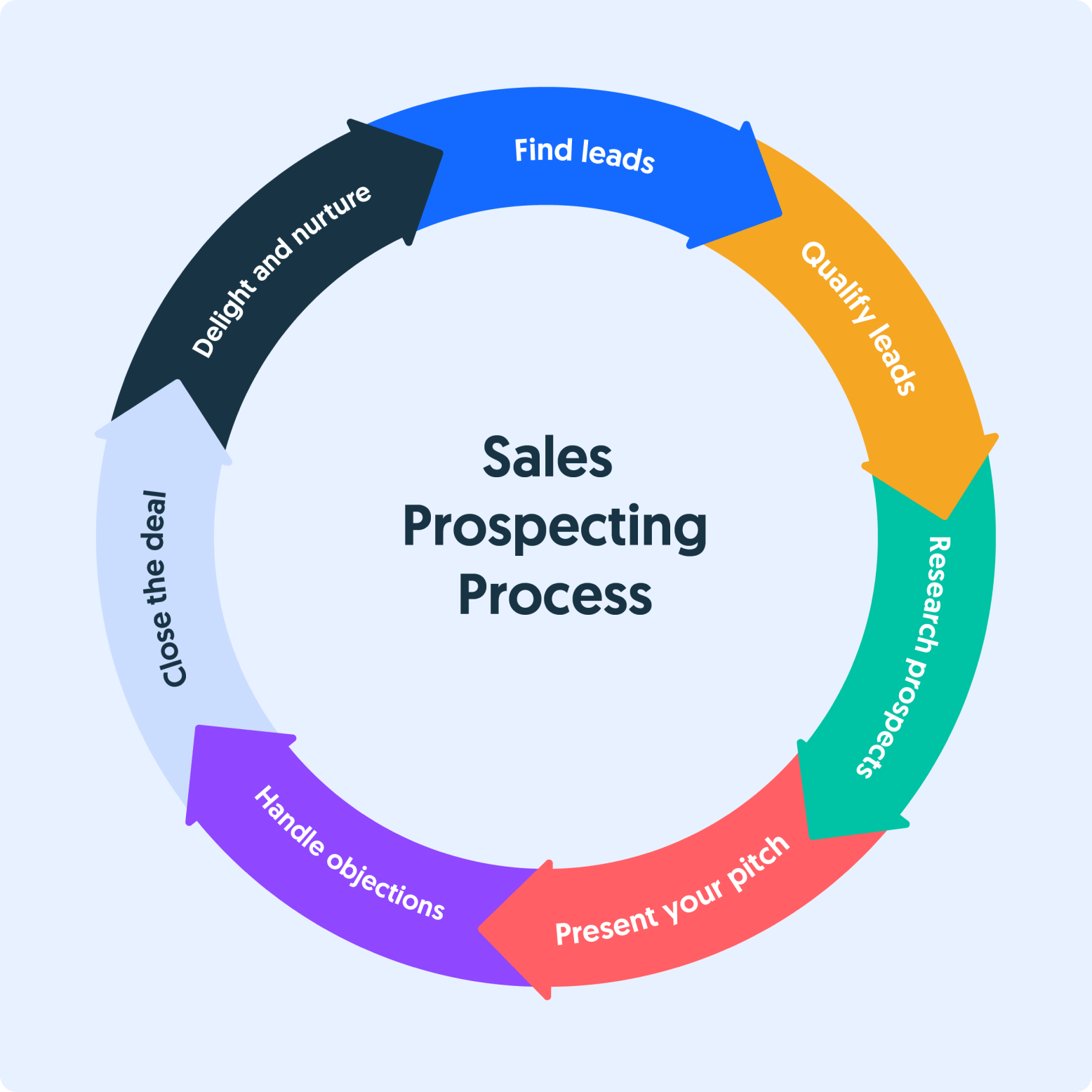
This is where it all starts. You identify your target audience and build a list of companies and contacts that actually fit your ideal customer profile (ICP).
Good prospecting means you're not blasting everyone. You're finding the right people — the ones most likely to need what you offer and have the budget to buy it.
Stage 2: Outreach
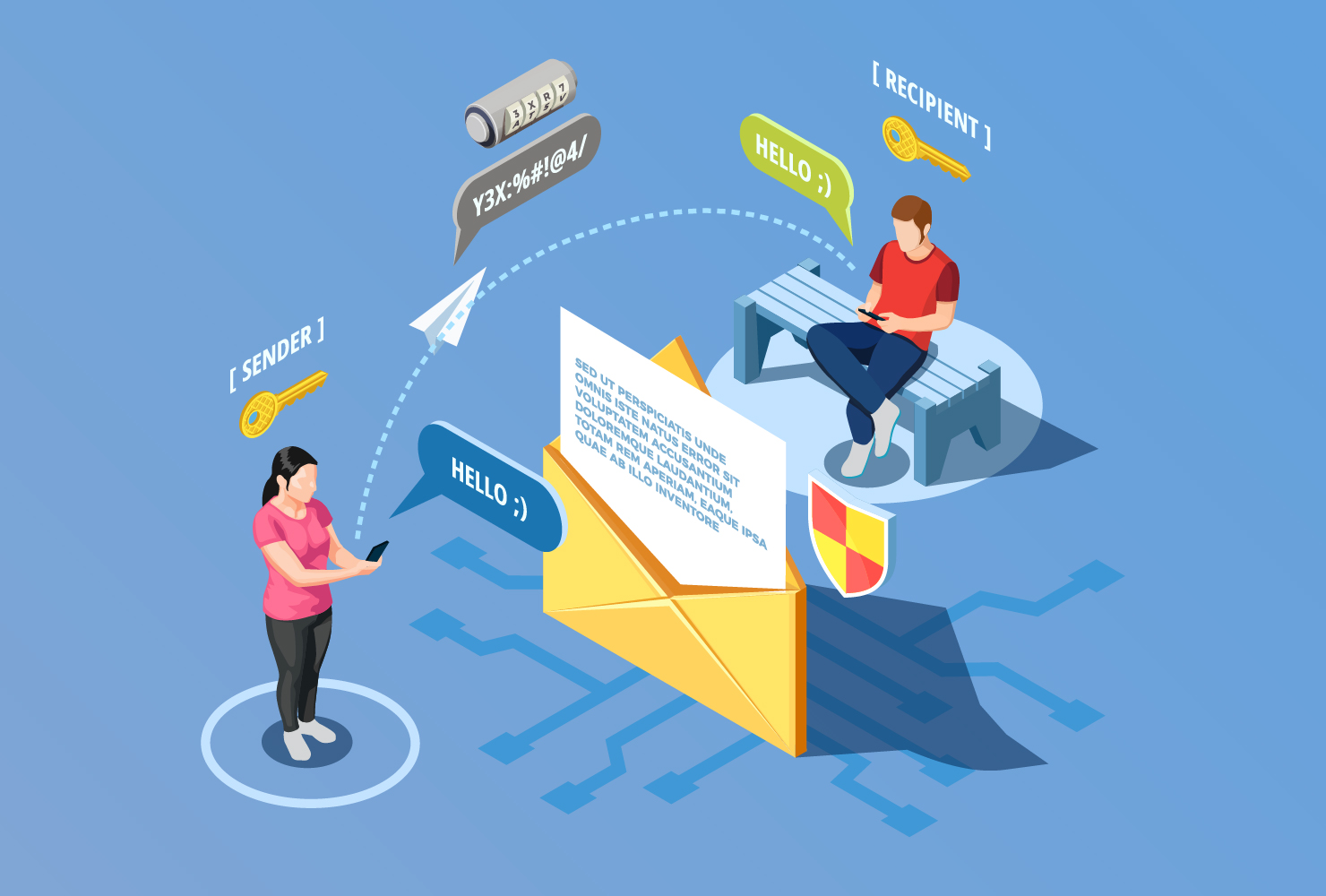
Once your list is ready, it's time to reach out. The most effective B2B outreach happens across multiple channels:
- Cold email — Direct, scalable, and easy to personalize at volume.
- LinkedIn outreach — Great for building relationships with decision-makers in a professional context.
- Cold calling — Still one of the fastest ways to get a real conversation going.
Using all three together consistently outperforms any single channel approach.
Stage 3: Engagement
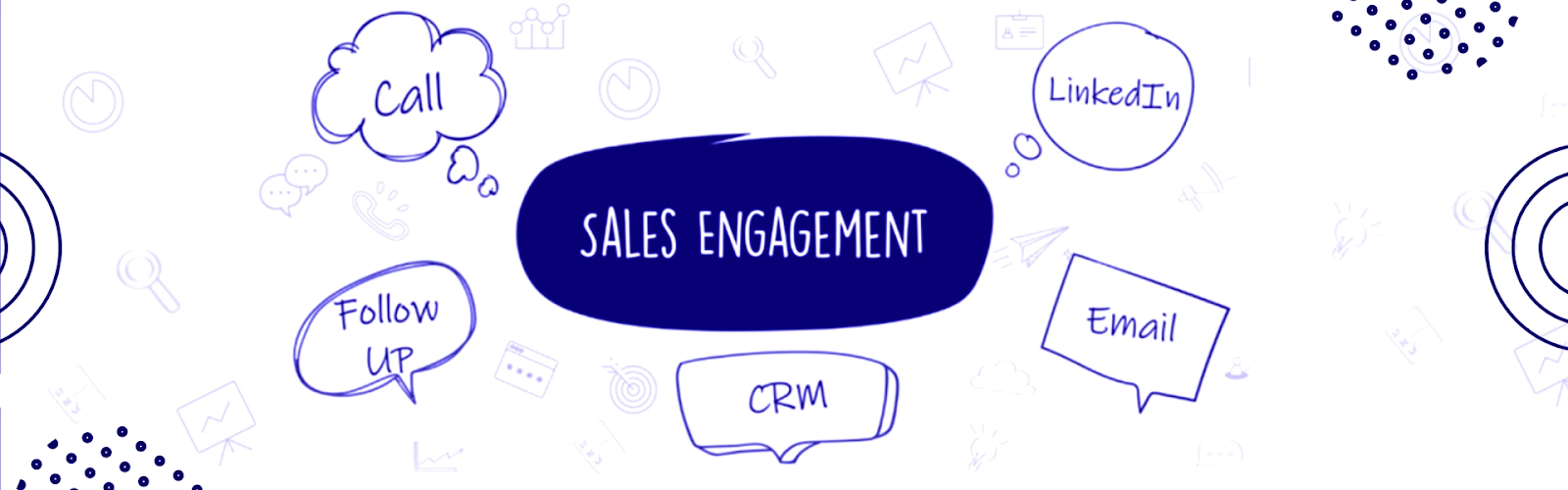
Outreach only works if it starts a conversation. This stage is about managing responses — following up, answering questions, and keeping prospects warm.
Most leads don't convert on the first touch. Engagement is what bridges the gap between "saw your message" and "let's talk."
Stage 4: Qualification
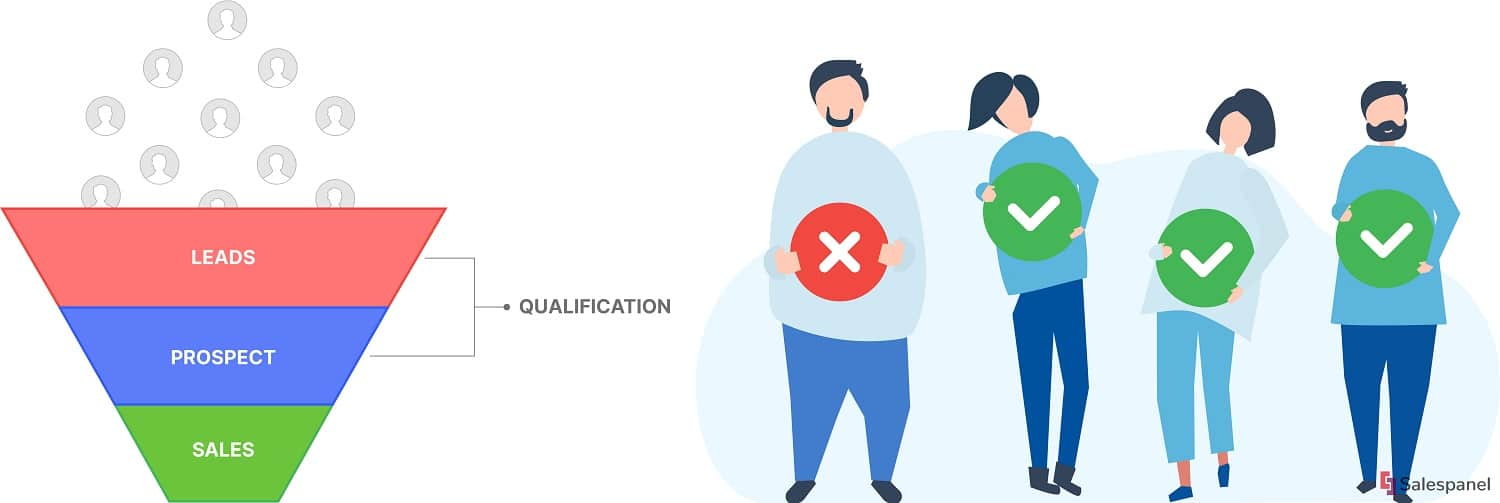
Not every lead that responds is a good fit. Qualification is where you figure out who's worth pursuing and who isn't.
You're assessing:
- Do they match your ICP?
- Do they have a real need for your solution?
- Do they have the budget and authority to buy?
Qualifying early saves your team a ton of time down the line.
Stage 5: Appointment Setting
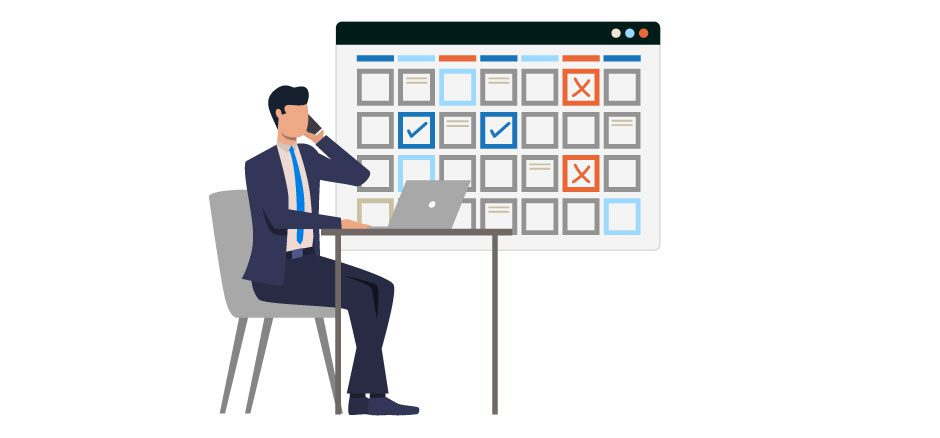
Qualified leads get moved to a meeting. This is the handoff moment where your outreach effort turns into a real sales conversation.
A good appointment setting process means the lead shows up informed, interested, and ready to talk, not just agreeing to "a quick call."
More on This: B2B Appointment Setting Services (Complete Guide for Revenue Teams)
Stage 6: Conversion
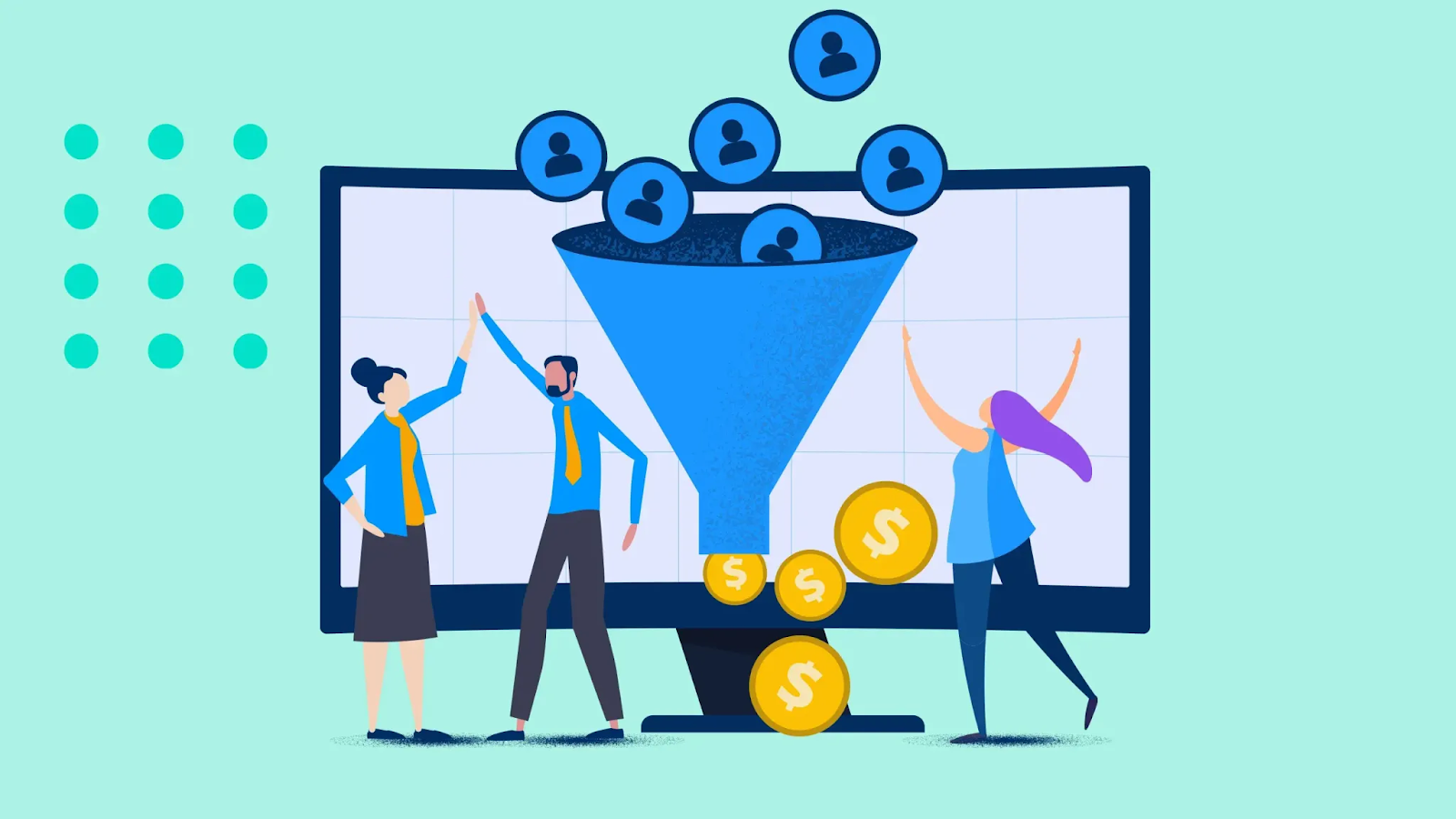
This is where sales closes the deal. By the time a lead reaches this stage, they've been qualified and nurtured properly. The hard work is already done.
A strong pipeline makes closing easier because leads arrive at this stage warm, not cold.
Quick Read: High Ticket Sales in B2B: Strategy, Funnels & Real Examples
🤝 Want 10–30 Sales Calls Every Month?
Our $5M cold calling system delivers guaranteed qualified appointments with trained SDRs. No hires. No headaches. Just meetings.
How to Build a Lead Generation Pipeline (Step-by-Step)
Here's how to build a consistent B2B lead pipeline that actually holds up at scale.
Step 1: Define Your Ideal Customer Profile (ICP)
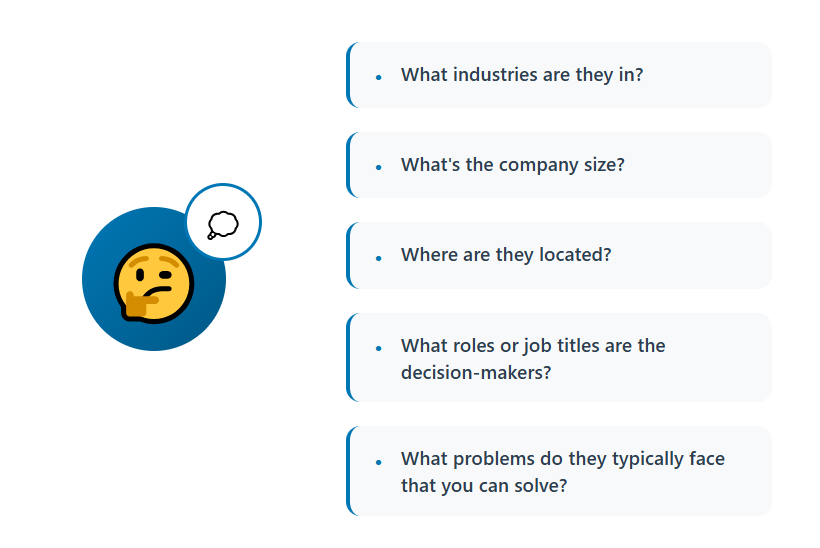
Before you do anything else, get crystal clear on who you're targeting. Your ICP should cover:
- Industry and company size
- Job titles and seniority
- Pain points your solution solves
- Revenue range and geography
The tighter your ICP, the better your results. Broad targeting wastes budget and time.
Step 2: Build a Targeted Prospect List
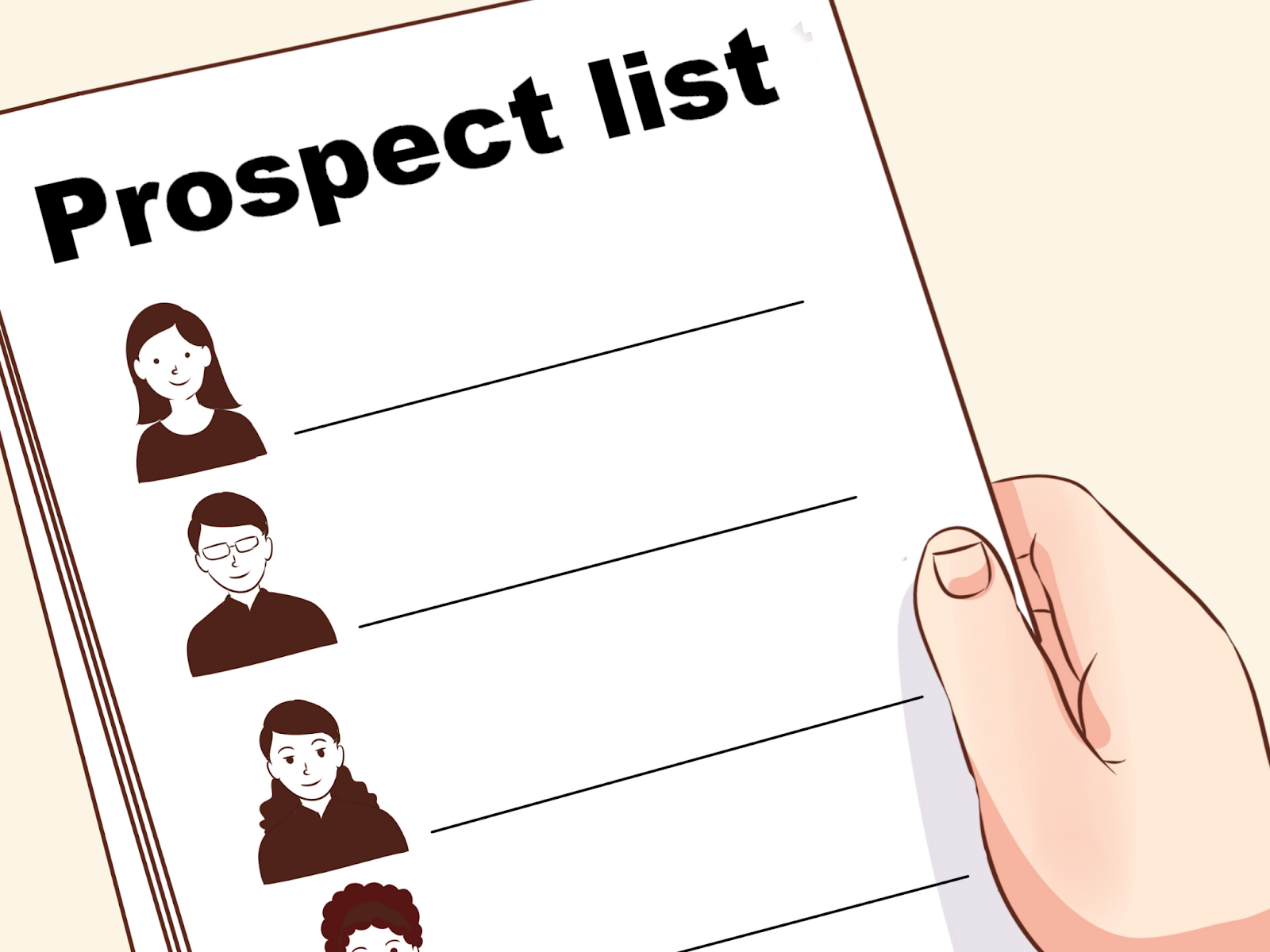
Use your ICP to build a high-quality prospect list. Pull data from LinkedIn, industry databases, and intent data platforms.
Prioritize accuracy over volume. A list of 500 perfect-fit contacts will outperform a list of 5,000 random ones every time.
Step 3: Create Multi-Channel Outreach Campaigns
Don't rely on just one channel. Build campaigns that touch prospects across email, LinkedIn, and phone. Each channel reinforces the others and increases your chances of getting a response.
More Detail Here: Multi-Touch Outreach - Why Buyers Reply After Seeing Your Name Twice
Step 4: Personalize Messaging

Generic outreach gets ignored. Reference the prospect's industry, role, a recent company milestone, or a specific pain point.
Even small personalization signals like mentioning their company name or a relevant challenge can double your reply rates.
Related: Cold Email Personalization Framework That Gets 20%+ Replies
Step 5: Implement Follow-Up Sequences
Most responses come after the second, third, or even fourth touch. Build follow-up sequences into every campaign so no lead goes cold by default.
Automate where you can, but keep the tone conversational.
Step 6: Qualify Leads Effectively
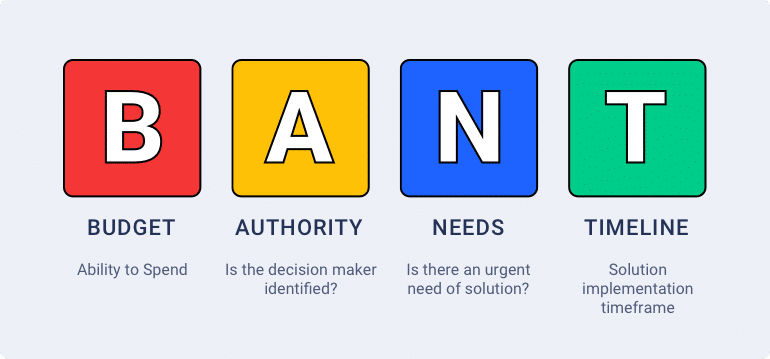
Use a simple qualification framework like BANT (Budget, Authority, Need, Timeline) or a version tailored to your sales process.
The goal is to move only genuinely interested, well-fit leads forward and stop wasting time on the rest.
Step 7: Track and Optimize Performance
Set up tracking from day one. Monitor reply rates, meeting rates, and conversion rates by channel and campaign. Review performance weekly and adjust your messaging, targeting, or sequences based on what the data tells you.
Strategies to Build a Consistent B2B Lead Pipeline
Consistency doesn't happen by accident. Here are the strategies that keep a lead generation pipeline running reliably.
1. Multi-touch outbound outreach - One message is rarely enough. A sequence that combines email, LinkedIn, and phone across 2 to 3 weeks dramatically increases contact rates.
2. Account-based targeting - Focus your outreach on a defined list of high-value accounts rather than casting a wide net. This improves relevance and conversion at every stage.
3. Content + outbound integration - Pair your outbound campaigns with relevant content. Sharing a useful resource in a follow-up email gives your prospect a reason to engage beyond "just checking in."
4. Leveraging LinkedIn for prospecting - LinkedIn is where most B2B decision-makers live. Use it to identify warm leads, research prospects before outreach, and build relationships over time.
5. Using data for targeting - Layer intent data, technographic data, and firmographic filters onto your prospect lists. The more precisely you target, the higher your conversion rates will be.
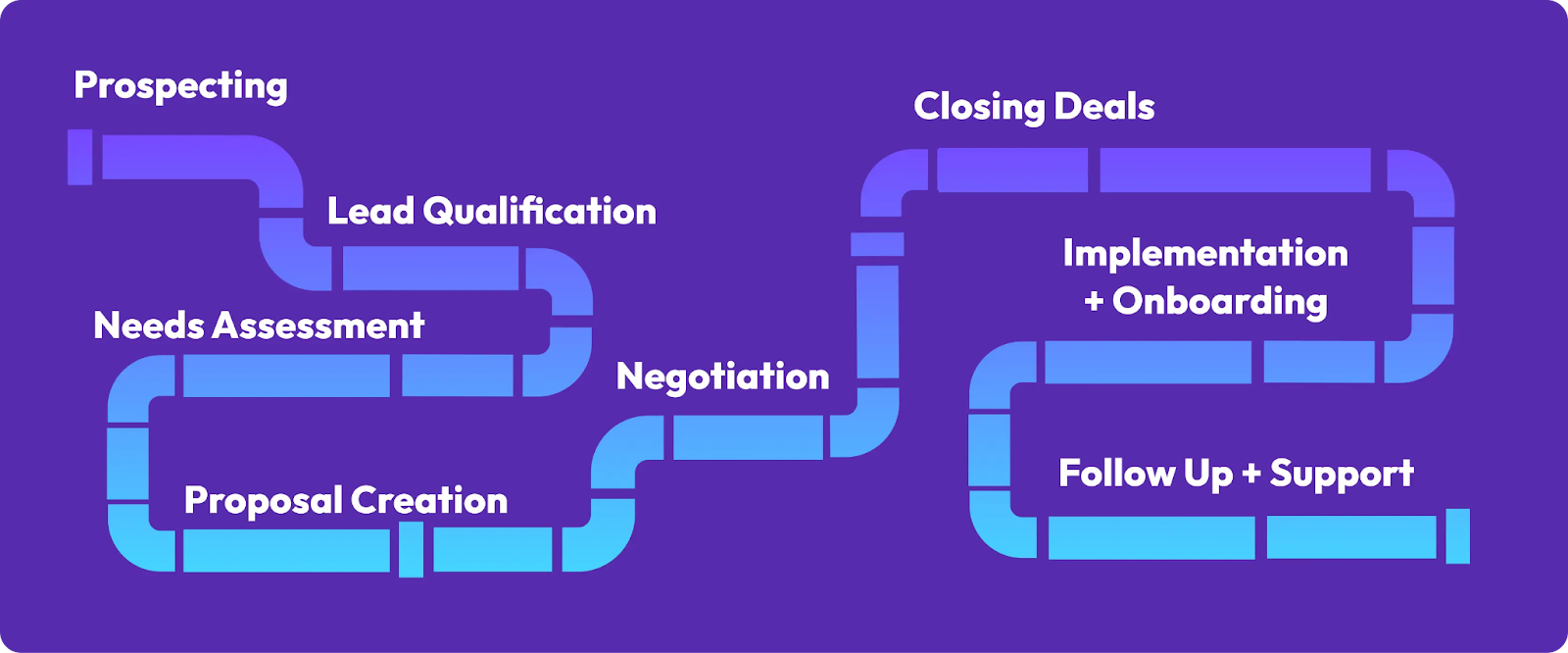
Signal-Based Pipeline Generation: Job Changes, Intent & Multithreading
Signal-based pipeline generation means reaching out when something changes at an account, instead of on a fixed schedule. A new executive, a past champion who joined another company, or a jump in buying activity all point to better timing. It’s one of the most reliable ways to scale B2B pipeline generation without sending more noise.
The strategies above cover who to target and how. Signals tell you when.
New-in-role executives at target accounts
A new VP or director has a window. They’re learning the business, reviewing what’s in place, and building their own plan. That makes them more open to new vendors than someone who’s been there for years.
Track new hires and promotions at your target accounts. Reach out after they’ve had a week or two to settle in. Lead with the problem that role usually has to fix in its first 90 days, not your product.
And skip “Congrats on the new role!” on its own. Everyone sends that one.
Past champions who changed jobs
Someone who already used or loved your product is the warmest contact you’ll ever have.
UserGems found that about 20% of customers and champions change jobs every year, and its analysis of more than 5,000 opportunities showed 114% higher win rates on deals with a past buyer.
Build a list of past buyers, champions, and happy users. Check it every month. When one of them lands at a new company, they already know your product and trust you.
Intent signals worth acting on
Intent data is noisy. Act on signals that tie to a real need at an ICP account:
- Hiring. A team hiring for roles your product supports is investing in that area. Here’s how to find companies hiring specific roles on LinkedIn.
- Funding. New money usually means new budget and new priorities. See how to find recently funded companies.
- Tech stack changes. A new tool, or a dropped one, can open a gap. Technographics help here.
- Website visits. Target accounts reading your pricing or comparison pages are worth a message. RB2B can help you spot them.
- Content engagement. People who like and comment on posts about the problem you solve.
Skip signals that don’t match your ICP. A signal on the wrong account is still the wrong account.
Multithreading the buying committee
Winning one contact isn’t winning the deal. Gartner found that buying groups range from five to 16 people across as many as four functions, and 74% of buyer teams show unhealthy conflict during the decision.
One champion can’t carry that alone. Aim to reach three to five people at each target account:
- The economic buyer who owns the budget.
- The champion who feels the pain every day.
- The technical evaluator who checks fit.
- A likely blocker, such as finance, security, or IT.
The same research found that content built around one person’s priorities can hurt agreement across the group, with a 59% negative impact on consensus. So anchor every message to a shared business problem. Then adjust the angle by role.
Speed to outreach after a signal
Signals fade fast. A job change from three months ago is old news, and you’re rarely the only vendor who noticed.
Aim to act within two business days. A simple workflow:
- Capture the signal.
- Check it against your ICP.
- Assign it to a rep.
- Send the first message that week, on email and LinkedIn together.
- Follow up by phone if there’s no reply.
Pipeline Generation Activities Beyond Outbound: Inbound, Paid, Events & Partners
Pipeline generation activities are the channels and tactics that create qualified opportunities. Outbound gives you control. Inbound, paid, events, and partners give you reach and trust. The strongest pipelines use more than one.
Buyers now research alone, and many use AI to do it. But Gartner’s 2026 survey found that 69% of B2B buyers still prefer to validate AI-generated insights with a sales rep. The channels below get you onto the shortlist. Your team closes the confidence gap.
SEO and bottom-of-funnel content
Don’t chase every keyword. Focus on pages buyers read right before they pick a vendor:
- Comparison and “alternatives” pages
- “Best [category] for [use case]” guides
- Pricing and how-it-works pages
- Case studies with real numbers
Write clear definitions, tables, and specific data. Those are easy for search engines and AI tools to lift and cite.
Paid social and search
Paid is the fastest way to put your name in front of a defined audience.
- LinkedIn ads let you target by job title, company, and industry. Point them at the same account list your SDRs are working.
- Search ads catch buyers who are already looking. Bid on high-intent terms like “[category] agency” or “[competitor] alternatives.”
The tradeoff: paid stops when the budget stops. Here’s how outbound compares with paid advertising on cost and control.
Events and webinars
Webinars work when they solve one specific problem. Co-host with a partner, invite target accounts directly through outbound, and follow up with every attendee within 24 hours.
In-person events work best for accounts you’re already talking to. Book meetings before you arrive. And if you’re swapping contacts on the floor, LinkedIn QR codes make that easy.
Partner and channel referrals
How do you increase pipeline through the channel? Start with who already sells to your buyer without competing with you.
- Agencies and consultants who serve your ICP
- Technology partners with integrations
- Resellers and referral partners
Give partners a simple way to refer: a one-line pitch, a short deck, and a clear handoff. Then your team runs the follow-up. Referred leads arrive with borrowed trust, which shortens the first call.
How to combine them with outbound
Outbound is the base. Layer the others on top, one at a time.
Track pipeline by source, not just leads by source. A channel that brings 200 leads and no opportunities isn’t generating pipeline.
If you’d rather not run all of this yourself, we handle the outbound side while your team focuses on the channels it already does well.
Common Mistakes That Break Lead Pipelines
Even well-intentioned teams make these mistakes. Watch out for them.
❌ Relying on a single channel — If one channel dries up, your whole pipeline stalls. Diversify.
❌ Inconsistent outreach — Sporadic campaigns don't build momentum. Volume and consistency matter.
❌ Poor targeting — Reaching out to the wrong people wastes your team's time and kills your sender reputation.
❌ Lack of follow-ups — Most deals don't close on the first touch. If you're not following up, you're leaving revenue on the table.
❌ Not tracking performance — You can't improve what you don't measure. Pipelines without tracking are just guesswork.
Metrics to Track for a Healthy Lead Pipeline
These are the numbers you need to watch to keep your lead pipeline in shape.
Review these weekly, not monthly. By the time monthly numbers are in, you've already lost two to three weeks of optimization time.
Tools That Help Build and Scale Lead Pipelines
The right stack makes your lead generation pipeline faster and more efficient.
1. CRM tools — HubSpot, Salesforce, or Pipedrive to manage and track every lead across pipeline stages.
2. Email outreach tools — Instantly, Smartlead, or Lemlist for building and running cold email sequences at scale.
3. LinkedIn automation tools — Tools like Cleverly's LinkedIn automation tool, or platforms like Sales Navigator for prospecting and manual outreach.
4. Analytics platforms — Google Looker Studio or built-in CRM dashboards to track pipeline health and campaign performance.
Keep your stack lean. Too many tools create data silos and slow your team down.
How Cleverly Builds Scalable Lead Generation Pipelines
We're a lead B2B generation agency that's helped over 10,000 clients build and scale predictable B2B pipelines - working with companies like Amazon, Google, Uber, PayPal, Slack, Spotify, and many more.
To date, we've generated $312M in pipeline revenue and $51.2M in closed revenue for our clients. And we do it all for you.
You get coverage across three major B2B channels without needing to manage three separate teams:
- LinkedIn lead gen starts at just $397/month
- Cold email: you only pay for meeting-ready leads we send you
- Cold calling: our $5M cold calling system books you 10 to 30 qualified sales calls every month, guaranteed, with a no-accent appointment setter, breakthrough call scripts, and a power dialer included. No in-housing costs. If we don't hit appointments, we replace the SDR. Simple.
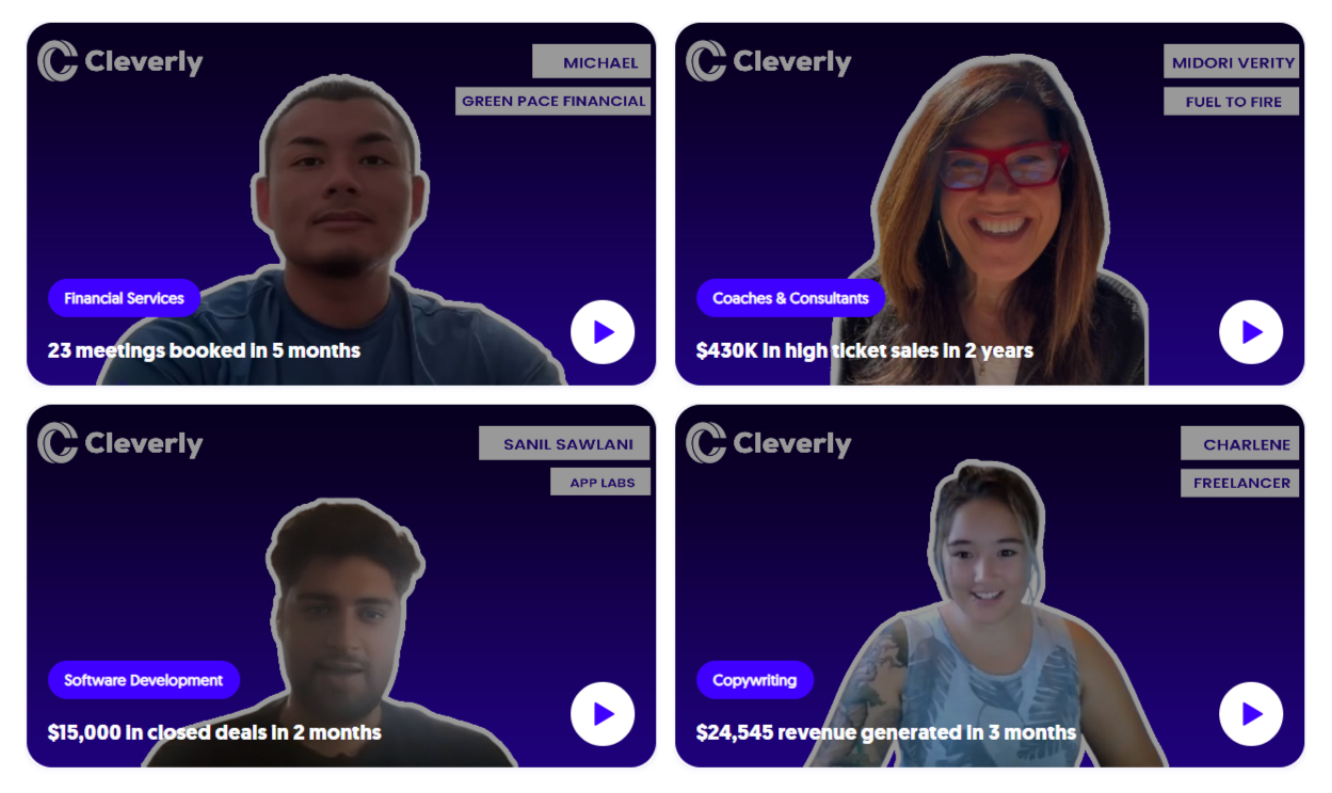
If you want a pipeline that runs without you having to manage it, that's exactly what we do.
🚀 Book a FREE consultation today!
Conclusion
Building a scalable lead pipeline is not about working harder. It's about building the right system.
When your pipeline has clear stages, consistent outreach, strong qualification, and solid tracking, growth stops being unpredictable. You know what's coming in, you know what's converting, and you know where to improve.
Companies with structured, multi-channel pipelines consistently outperform those that rely on inbound alone or spray-and-pray outreach. The difference isn't luck. It's process.
Start with the fundamentals. Build for consistency. And if you want to skip the trial and error, we're here to do it for you.
Frequently Asked Questions
Free Resource
How to Scale a Profitable Cold Call System
Get the complete guide — download it instantly now.
Free Ebook
Download the Free Guide
Enter your details to get instant access.
You're all set! 🎉
Your ebook is downloading now.
Click below if the download didn't start automatically.


