

Table of Contents
What Is Lead Qualification?
What Is AI Lead Qualification?
The Lead Qualification Process Step-by-Step
Can AI Agents Qualify and Route Leads Using HubSpot CRM Data?
Lead Qualification Frameworks You Can Use
Lead Qualification Checklist for Sales Teams
Outbound vs Inbound Lead Qualification
Common Challenges in Lead Qualification
Scale Your Lead Qualification with Cleverly’s B2B Lead Generation
Conclusion
Frequently Asked Questions
Modified On :
August 6, 2026
Key Takeaways
- Lead qualification ensures your sales team focuses only on prospects who are most likely to convert.
- It’s different from lead generation — generating leads captures interest, while qualification evaluates fit and readiness.
- A structured lead qualification process involves screening, gathering info, scoring, assessing intent, and hand-off to sales.
- Frameworks like BANT, CHAMP, and MEDDIC provide consistent methods for evaluating prospects.
- A clear lead qualification checklist prevents wasted effort and maintains pipeline efficiency.
- Outbound leads require deeper research and personalization compared to inbound leads.
When you’re putting time and effort into finding new clients, not every lead is worth chasing. Some people might be curious, some might not have the budget, and some simply aren’t the right fit.
That’s what we’re going to talk about today - Lead qualification!
If you’ve ever wondered what lead qualification is and why it matters, it’s the process that helps you focus only on prospects who are most likely to become paying customers.
Without it, your sales team ends up wasting time on calls and emails that never go anywhere.
A documented qualification process helps teams reduce time spent on obvious mismatches, apply consistent standards, and identify where promising leads should go next. Whether it improves conversion or sales-cycle length depends on the accuracy of the criteria and how consistently the team applies them.
In this guide, we’ll walk you step by step through sales lead qualification — from spotting early signs of a good prospect to setting up a system that keeps your pipeline full of real opportunities.

What Is Lead Qualification?
So, what is lead qualification exactly? In simple terms, it’s the process of evaluating whether a prospect is a good fit for your product or service before your sales team spends valuable time on them.
In a B2B context, this means checking if the lead has the right budget, decision-making power, need, and timing to actually move forward.
Qualification should answer two separate questions:
- Is this account and contact a reasonable fit?
- Is there enough evidence to justify the next sales action?
A lead can fit the ideal customer profile without being ready for a sales conversation. It can also show strong interest while falling outside the market your company can serve. Effective lead qualification considers fit and readiness separately before deciding whether to advance, nurture, route, or disqualify the record.
It’s important to understand the difference between lead generation and lead qualification:
- Lead generation is all about capturing interest — through channels like LinkedIn outreach, cold emails, or ads.
- Lead qualification happens after that, where you separate the high-quality prospects from the ones who are unlikely to convert.
Why does this matter? Because not every lead deserves equal attention. A clear lead qualification process helps you:
- Prioritize sales efforts toward leads with the highest chance of closing.
- Shorten your sales cycle by avoiding unqualified prospects.
- Increase conversion rates by focusing on real opportunities.
🎯 We Don’t Just Find Leads. We Qualify Them
Cleverly’s outreach targets decision-makers who actually fit your ICP, not random contacts.
Start generating qualified B2B leads today.
What Is AI Lead Qualification?
AI lead qualification uses software to research, classify, score, and route leads based on defined sales criteria. It can combine CRM records, firmographic data, website behavior, email or chat interactions, enrichment results, and other approved signals to recommend what should happen next.
The process is broader than assigning points for company size or job title. An AI system can read unstructured information, such as form responses, call notes, chatbot conversations, or company descriptions, and convert it into fields that qualification rules can evaluate.
For example, an AI workflow might:
- Confirm that the company matches the target industry and size.
- Classify the contact’s role and likely buying influence.
- Summarize the business problem described in a form or conversation.
- Identify missing qualification information.
- Assign a fit and readiness category.
- Route the lead to sales, nurture, manual review, or disqualification.
AI does not decide what a qualified lead means. Sales and marketing must define the criteria, acceptable data sources, thresholds, and exceptions first. Automation then applies those rules more consistently and at higher volume.
What AI Should Not Decide on Its Own
AI qualification can produce confident answers from incomplete or incorrect information. It may misclassify a company, confuse a consultant with an employee, treat research activity as buying intent, or overlook context hidden in a sales conversation.
Human review should remain mandatory when:
- The data sources disagree.
- A high-value account falls just below a threshold.
- The model cannot explain the reason for its recommendation.
- A regulated, sensitive, or high-risk decision is involved.
- A strategic account has unusual buying criteria.
- Disqualification would suppress future outreach automatically.
- The lead requests a sales conversation despite receiving a low score.
Use AI to reduce repetitive research and surface consistent recommendations. Do not use it to conceal the logic behind qualification decisions.
The Lead Qualification Process Step-by-Step
A solid lead qualification process ensures you’re not just filling your pipeline with names, but with people who are truly worth your sales team’s time.
Let’s break it down step by step.
Step 1 – Lead Capture & Initial Screening
Every lead qualification process starts with capturing leads. This can happen through LinkedIn campaigns, cold emails, website forms, referrals, or even cold calls.
But not every captured lead is worth pursuing right away.
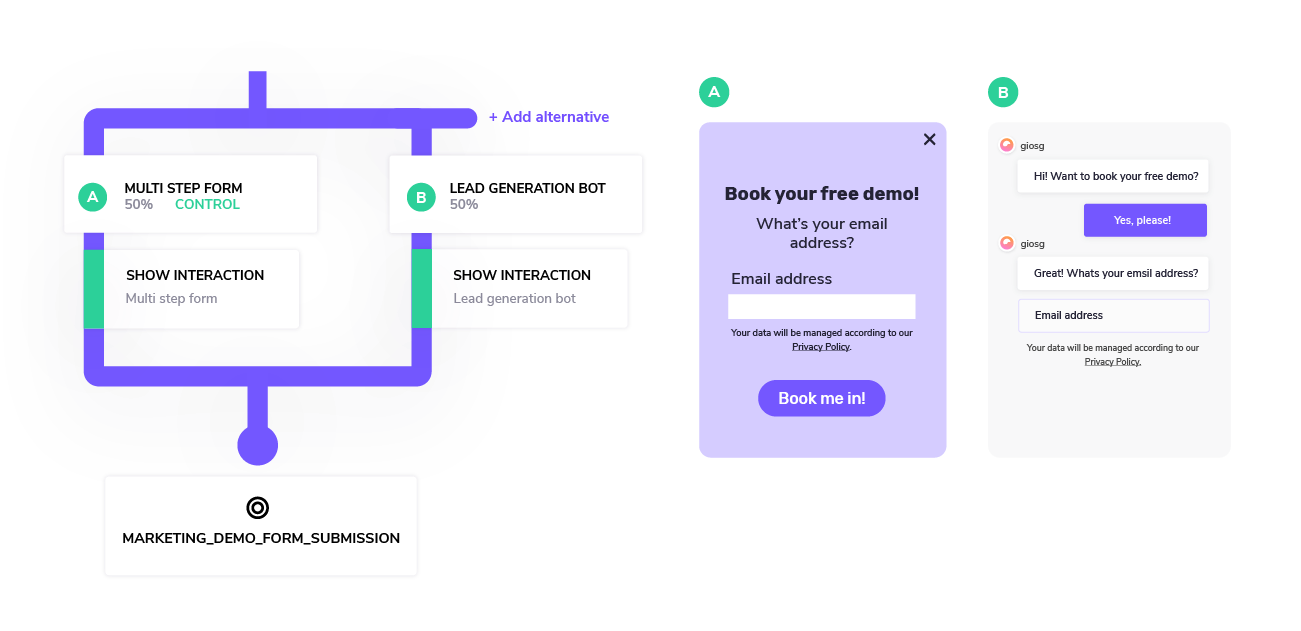
- Initial screening is about filtering out the obvious mismatches. For example, if you sell B2B SaaS software and a student signs up for a demo, that’s not your target.
At this stage, you’re simply asking: Does this lead fit our basic requirements to even be considered?
Step 2 – Gathering Key Information
Once a lead passes the first filter, it’s time to collect details that will tell you whether they’re a potential fit.
Here’s what to look at:
- Demographics: Job title, role, seniority. (Is this person the decision-maker or an influencer?)
- Firmographics: Company size, industry, revenue. (Do they match your Ideal Customer Profile?)
- Behavioral Data: Website visits, LinkedIn engagement, response to cold emails. (Are they showing interest in your offering?)
When required fields are missing, lead enrichment can add verified company and contact context before the qualification decision is made.
Example: If you run a marketing automation tool, a VP of Marketing from a 500-person SaaS company who downloaded your whitepaper is a much stronger lead than a junior marketer from a 5-person startup.
Step 3 – Scoring Leads Against ICP Criteria
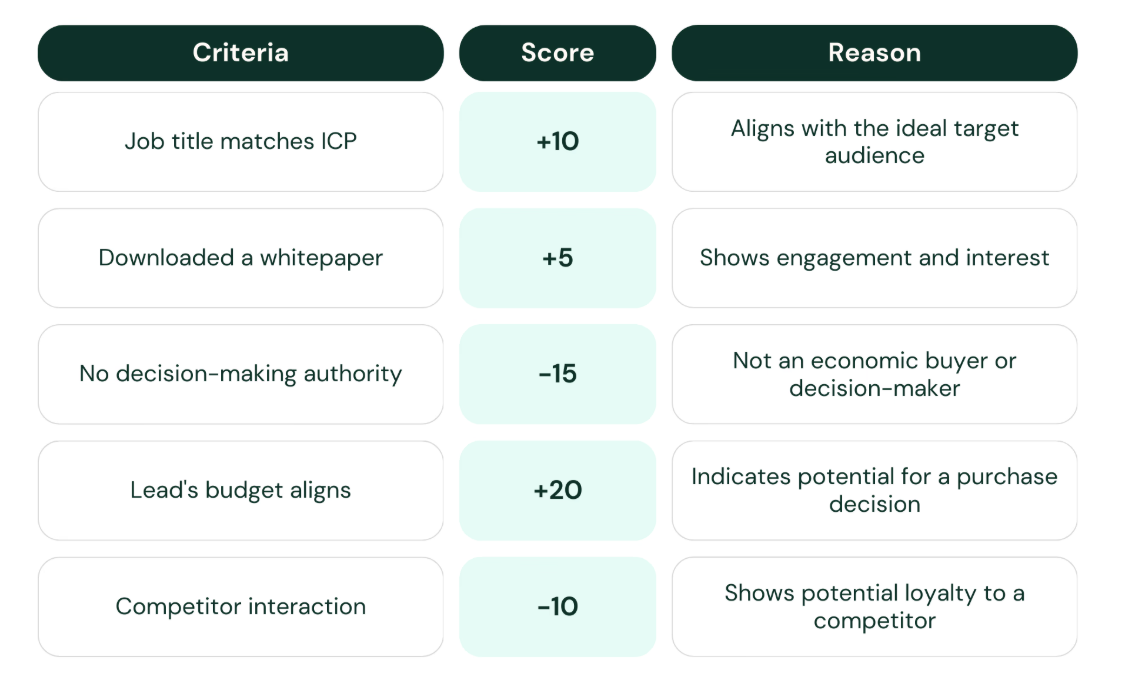
Now that you’ve got information, you can apply a lead scoring system. This means assigning points based on how closely a lead matches your Ideal Customer Profile (ICP).
Document an ideal customer profile before assigning points so the score reflects actual buying fit rather than whichever attributes happen to be available.
For example:
- +10 points if the lead is in your target industry.
- +15 points if they’re a decision-maker (Director/VP/C-Suite).
- +20 points if the company’s revenue is within your target range.
- -10 points if the company is too small or outside your service region.
This scoring system ensures consistency. Instead of relying on gut instinct, your team can clearly see which leads should move forward and which should go back into nurture.
Step 4 – Assessing Buyer Intent & Readiness
Even if a lead matches your ICP, they may not be ready to buy right now. This step is about understanding buyer intent.
Some signals of readiness include:
- Engaging with multiple pieces of content (blogs, case studies, webinars).
- Asking specific questions about pricing or implementation.
- Responding quickly to outreach and showing urgency.
Treat these as supporting signals rather than proof that a lead is ready to buy. A prospect may visit a pricing page for research, open an email without reading it, or reply quickly to decline. Combine observed behavior with account fit, the substance of the interaction, and direct qualification questions before advancing the lead.
Example: Two CFOs from your target industry might both look like strong fits. But if one CFO simply connected with you on LinkedIn and the other booked a demo after reading a case study, the second one clearly shows stronger buying intent.
Step 5 – Hand-Off to Sales for Nurturing or Closing
Once a lead is qualified, it’s time for the hand-off to sales. But this step isn’t one-size-fits-all.
Clear lead routing rules ensure that qualified leads reach the correct owner, territory, or follow-up process with the relevant context attached.
- Sales-ready leads (high intent, good fit) go directly into the closing process.
- Not-ready-yet leads (good fit, low intent) get passed to a nurturing sequence — usually through drip campaigns, LinkedIn follow-ups, or periodic calls.
The key here is alignment between marketing and sales. If your lead qualification process is consistent, your sales team will always know whether they’re speaking to a warm, engaged prospect or someone who needs more nurturing.
How to Automate the Lead Qualification Process
An automated lead qualification workflow should reproduce a documented human process. It should not invent qualification rules while processing live leads.
Build the workflow in this order:
1. Define the Required Inputs
List the fields and signals needed for each decision. These may include company size, industry, region, role, seniority, current technology, stated problem, engagement history, and requested timeline.
Separate required information from supporting information. If a field is required but missing, route the lead to enrichment or manual review rather than assuming a value.
2. Validate and Enrich the Record
Check contact information, match the person to the correct company, remove duplicates, and append the approved firmographic or professional fields.
Record the source and verification date for important fields. A model cannot make reliable decisions from stale employment data or an incorrectly matched company.
3. Apply Hard Qualification Rules
Hard rules determine whether the lead can enter the sales process at all. Examples include supported region, minimum company size, target industry, required use case, or exclusion status.
Keep these rules visible and editable. If a lead fails, store the reason rather than assigning a generic “unqualified” label.
4. Assess Fit and Readiness Separately
Fit measures whether the account resembles a customer the company can serve. Readiness measures whether the lead has shown enough intent or urgency to justify immediate action.
A high-fit, low-readiness lead may enter nurture. A lower-fit lead with strong interest may require manual review. Combining both dimensions into one unexplained score can hide those differences.
5. Route the Lead
Assign an outcome such as:
- Send to an SDR or account executive.
- Enroll in a nurture sequence.
- Request missing information.
- Send to manual review.
- Disqualify with a documented reason.
- Suppress because of consent, complaint, or exclusion status.
The workflow should also assign an owner and response deadline when a lead goes to sales.
6. Capture Sales Feedback
Record whether sales accepted or rejected the lead and why. Common rejection reasons might include incorrect company data, weak authority, no active need, unsupported region, duplicate account, or poor timing.
Review those reasons regularly. If the same rejection pattern repeats, update the criteria, data source, or automation rule instead of allowing the workflow to continue producing the same mistake.
🚀 From Cold Prospects to Sales-Ready Leads
Our data-backed lead gen campaigns ensure you only talk to high-intent buyers ready to convert.Book your free B2B strategy call now.
Can AI Agents Qualify and Route Leads Using HubSpot CRM Data?
Yes, an AI agent can support lead qualification and routing with HubSpot CRM data when it has approved access, defined workflow rules, and a controlled way to write results back to the CRM. The agent should operate inside a documented process rather than making unrestricted sales decisions.
A practical workflow looks like this:
- A new lead enters HubSpot from a form, campaign, event, or approved data source.
- The workflow checks required fields and searches for duplicate contacts or companies.
- Enrichment adds missing company, role, and account information.
- The AI agent reviews approved CRM fields, form responses, engagement history, and relevant notes.
- The agent classifies fit, intent, missing information, and the recommended next action.
- Rule-based logic confirms whether the recommendation meets the company’s qualification standard.
- Qualified leads are assigned to the correct owner based on territory, segment, product, or account ownership.
- Lower-confidence records go to manual review instead of being routed automatically.
- The system records the qualification reason, data sources, confidence level, owner, and timestamp.
- Sales feedback is written back to the record so the rules can be reviewed.
An AI agent should not receive unrestricted access to every CRM field by default. Limit access to the information needed for the workflow, preserve an audit trail, and require approval before allowing the agent to overwrite important account or opportunity data.
The routing result also needs a fallback. If the owner is unavailable, the territory is unclear, or two rules conflict, the lead should enter a review queue rather than remain unassigned.
Example: Qualifying an Inbound B2B SaaS Lead
Suppose a director at a 300-person software company requests a demo. The form includes a work email, company name, and a short note saying the team needs to replace a manual reporting process this quarter.
The workflow could:
- Verify the email and match it to the company.
- Confirm that the company falls within the target employee range.
- Classify the contact as a likely department-level decision-maker.
- Extract the reporting problem and stated timeline from the note.
- Check whether the company already exists in the CRM.
- Review prior website, email, and sales activity.
- Assign a high fit and high readiness classification.
- Route the lead to the appropriate account executive.
- Include the stated problem, timeline, and supporting evidence in the handoff.
If the company matched the ICP but the form contained no problem, timeline, or relevant activity, the same workflow could request more information or send the lead to nurture. Automation should produce different next steps for different evidence, not label every demo request as equally qualified.
Lead Qualification Frameworks You Can Use
There’s no one-size-fits-all way to qualify leads. Different businesses use different frameworks to make sales lead qualification structured and consistent.
Let’s look at the most common ones and when to use each.
BANT (Budget, Authority, Need, Timeline)

BANT is one of the oldest and most widely used sales lead qualification methods. It works by checking four simple factors:
- Budget – Does the prospect have the financial resources for your solution?
- Authority – Are you speaking with the person who can make the decision?
- Need – Does the prospect actually have a pain point your product solves?
- Timeline – Is there urgency, or will this deal sit for months?
Example: You sell HR software. A Head of HR tells you their company is expanding, they have budget approval, and they need to onboard within 90 days. That’s a textbook BANT-qualified lead.
CHAMP (Challenges, Authority, Money, Prioritization)

CHAMP flips BANT around by focusing first on the prospect’s challenges. This framework is more customer-centric and works well when you need to build trust before talking money.
- Challenges – What pain points or obstacles are they trying to solve?
- Authority – Who is involved in the buying decision?
- Money – Is there a budget, and if not, can it be justified by solving the challenge?
- Prioritization – Where does this initiative fall compared to their other business goals?
Example: If you sell cybersecurity services and a company just experienced a data breach, solving that challenge becomes their top priority — even if budget conversations come later.
MEDDIC and Other Advanced Models
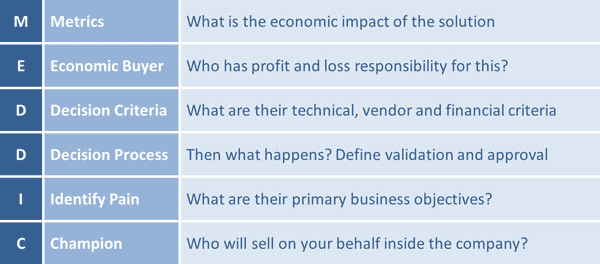
For enterprise deals or long sales lead qualification cycles, advanced frameworks like MEDDIC are more effective. MEDDIC stands for:
- Metrics – What measurable outcomes are they seeking?
- Economic Buyer – Who controls the budget?
- Decision Criteria – What factors will drive the buying decision?
- Decision Process – How will the decision be made internally?
- Identify Pain – What specific problems are they facing?
- Champion – Do you have an internal advocate pushing for your solution?
Other variations like MEDDPICC add “Paper Process” and “Competition” to account for red tape and market rivalry.
Example: If you’re selling multi-year SaaS contracts to Fortune 500 companies, MEDDIC helps ensure you don’t miss a single step in the complex buying process.
When to Choose Each Framework Based on Deal Size & Sales Cycle
Not every framework fits every situation. Here’s a quick guide:
- BANT – Best for smaller, transactional deals with shorter sales cycles.
- CHAMP – Great for consultative sales where uncovering pain points matters more than budget.
- MEDDIC – Designed for large, complex enterprise sales with multiple decision-makers.
If you’re running an outbound campaign through a lead generation agency like ours, you might even use a blend — starting with CHAMP questions to spark conversation, then layering in BANT or MEDDIC criteria once the relationship deepens.
Lead Qualification Checklist for Sales Teams
A well-defined lead qualification checklist helps your SDRs and BDRs consistently separate high-potential leads from dead ends.
Using a checklist ensures your team spends time only on prospects who are likely to convert, saving effort and boosting sales efficiency.
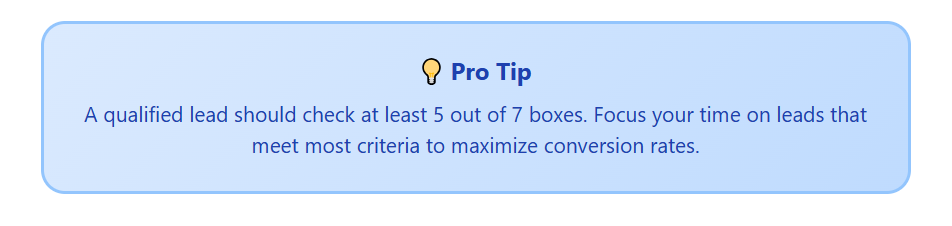
Here’s a practical 7-point lead qualification checklist you can implement immediately:
- Verified Contact Information – Ensure the lead’s email, phone number, and LinkedIn profile are accurate to prevent wasted outreach.
- Fit with ICP (Ideal Customer Profile) – Check if the lead’s company size, industry, and role match your target profile.
- Budget Availability – Confirm the lead has the financial capacity or allocation to invest in your solution.
- Decision-Maker Status – Identify whether the contact can make or influence buying decisions.
- Pain Points & Needs – Understand the lead’s core challenges and whether your solution addresses them.
- Timeline & Urgency – Determine how soon the lead is looking to implement a solution.
- Engagement Level – Track responsiveness to emails, LinkedIn messages, or calls as an indicator of interest.
There’s one optional 8th point for extra clarity: Previous Interactions – Check whether the lead has engaged with marketing content, webinars, or prior campaigns to understand their journey stage.
Add These Checks to an Automated Qualification Workflow
When software or an AI agent applies the checklist, add five controls:
- Data source and freshness: Record where each important field came from and when it was last checked.
- Qualification reason: Store the evidence that caused the lead to advance, enter nurture, or be disqualified.
- Confidence level: Separate confirmed facts from inferred or uncertain values.
- Routing outcome: Record the assigned owner, workflow, and expected response time.
- Human-review trigger: Define the conditions that stop automation and request manual review.
A score without those controls may look objective while hiding weak data or unclear assumptions.
At Cleverly, we integrate these checks into our outbound lead qualification process, so our clients receive leads that are ready for sales conversations, not just names on a spreadsheet.
Outbound vs Inbound Lead Qualification

Understanding the difference between outbound lead qualification and inbound qualification is key to running an efficient sales process.
While both aim to identify high-potential leads, the approach and effort required vary significantly.
How Outbound Leads Differ from Inbound Leads
- Inbound Leads come to you. They’ve shown interest by downloading content, signing up for newsletters, or requesting a demo. The initial fit is often easier to assess because the lead has already engaged with your brand.
- Outbound Leads, on the other hand, are proactively identified by your team or a lead generation agency. They haven’t necessarily expressed interest yet, so you need to qualify them from scratch.
Example: A lead who filled out a “Contact Us” form is inbound, while a prospect you discovered on LinkedIn and reached out to via cold outreach is outbound.
Why Outbound Requires Deeper Research & Personalization
Because outbound leads haven’t opted in, outbound lead qualification demands more research:
- Company Research – Look into industry, revenue, and current pain points.
- Contact Insights – Identify decision-makers, their role in purchasing, and any recent activity that signals readiness.
- Tailored Outreach – Personalization is critical; generic messages rarely work. Mention relevant challenges, mutual connections, or recent company updates to capture attention.
Example: Instead of sending a generic cold email, referencing a recent product launch at the prospect’s company or a LinkedIn post they shared can dramatically improve engagement.
Common Mistakes to Avoid in Outbound Qualification
Even experienced teams slip up sometimes. Here are common pitfalls in outbound lead qualification:
- Skipping Research – Reaching out without understanding the lead’s company or role.
- Assuming Interest – Just because someone fits your ICP doesn’t mean they’re ready to engage.
- Neglecting Follow-Up – Outbound leads often need multiple touchpoints; giving up too soon wastes effort.
- Poor Segmentation – Treating all outbound leads the same, instead of scoring based on fit and intent.
By avoiding these mistakes and applying a structured outbound lead qualification approach, you can ensure your team focuses only on prospects with genuine potential, saving time and improving conversion rates.
Common Challenges in Lead Qualification
Even with a solid lead qualification process, teams often face roadblocks that prevent them from consistently identifying high-quality prospects.
Understanding these lead qualification challenges is the first step to overcoming them.
1. Incomplete or Inaccurate Data
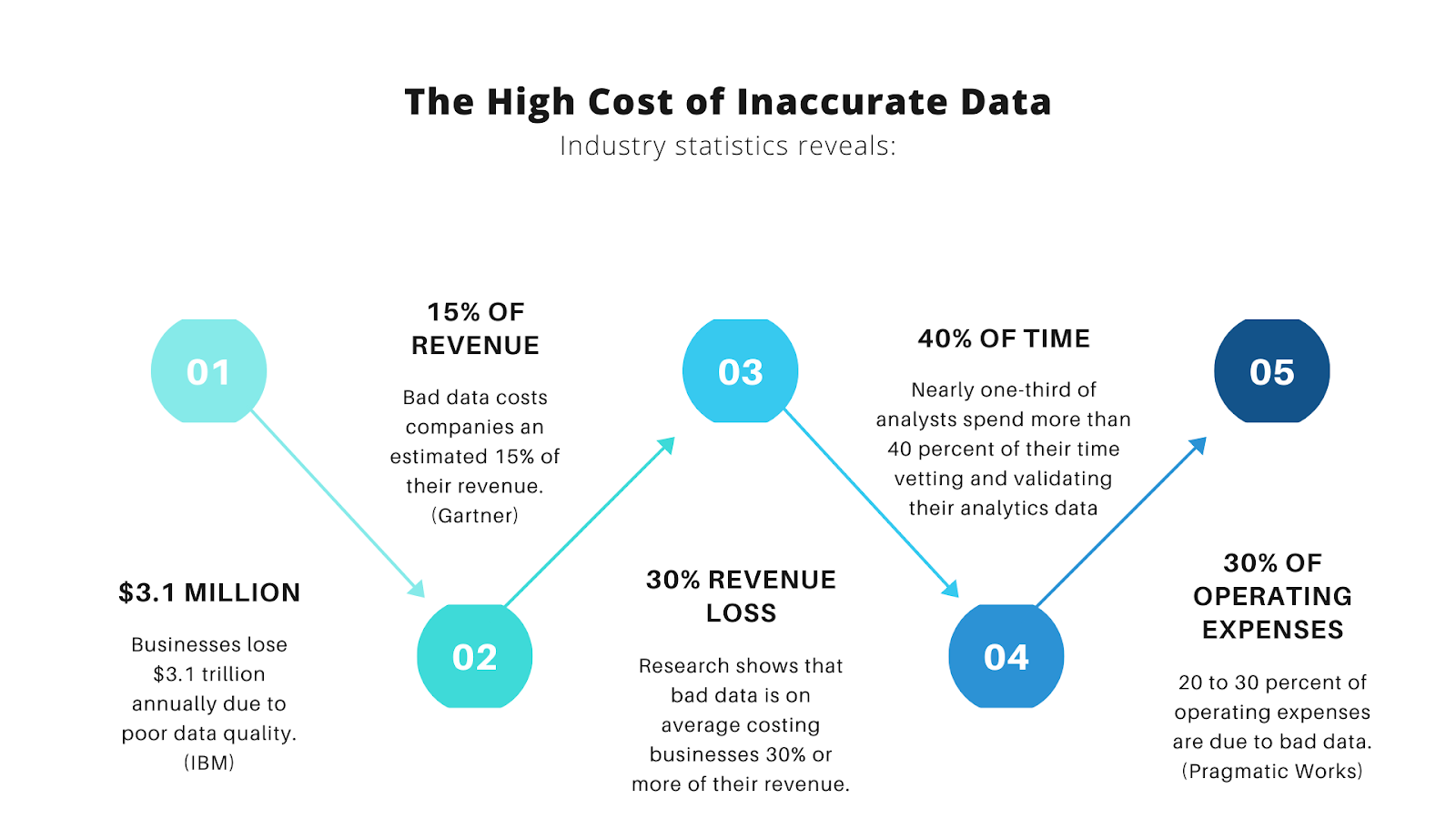
One of the biggest hurdles in lead qualification is working with missing or outdated information. Incorrect email addresses, phone numbers, or LinkedIn profiles can lead to wasted outreach efforts and low engagement rates.
Example: Imagine your SDR spends hours reaching out to leads, only to find half of the contacts no longer work at the company or have invalid emails. That’s lost time and opportunity.
2. Misaligned Sales & Marketing Definitions of a “Qualified Lead”
Marketing and sales often have different ideas of what makes a lead qualified. Marketing might focus on engagement metrics like downloads or website visits, while sales prioritizes decision-making authority and budget.
Without alignment, leads that marketing considers “hot” may not be ready for sales outreach, causing friction and missed opportunities.
3. Lack of Clear Scoring Criteria
Without a structured scoring system, lead qualification becomes subjective. Some SDRs may move a lead forward based on gut feeling, while others may reject it for minor reasons. This inconsistency leads to inefficiency and uneven results.
Tip: Implement a clear lead scoring framework based on ICP fit, engagement, budget, and intent to keep qualification objective.
4. Poor Communication Between Marketing and Sales Teams
Even with accurate data and scoring criteria, poor communication can derail the process. Marketing needs to clearly pass qualified leads to sales with context on engagement history and pain points. Conversely, feedback from sales should refine marketing campaigns.
Example: If sales doesn’t report why certain leads aren’t converting, marketing can’t adjust targeting, and the same mistakes repeat.
At Cleverly, we help clients overcome these issues by combining thorough research, clear scoring, and consistent hand-offs between marketing and sales teams.

How to Measure Lead Qualification Performance
Measure whether the qualification process sends the right leads to the right next step. Lead volume alone does not answer that question.
Once leads meet the minimum standard, lead prioritization determines which qualified opportunities deserve attention first.
Track these measures:
- Qualification rate: Qualified leads divided by all reviewed leads, multiplied by 100.
- Sales acceptance rate: Leads accepted by sales divided by leads handed to sales, multiplied by 100.
- Qualified lead-to-opportunity rate: Opportunities created divided by qualified leads, multiplied by 100.
- False-positive rate: Leads advanced by the process but rejected for failing documented criteria.
- False-negative rate: Leads initially rejected or deprioritized that later became valid opportunities.
- Time to qualification: The time between lead creation and a completed qualification decision.
- Routing accuracy: The percentage of qualified leads assigned to the correct owner or workflow.
- Missing-data rate: The percentage of records that could not be evaluated because required information was unavailable.
- Sales feedback completion: The percentage of rejected leads with a documented reason.
Review the results by channel, campaign, market, company size, and qualification method. An automation can appear accurate overall while performing poorly for a particular segment.
Do not optimize for the highest possible qualification rate. If almost every lead qualifies, the criteria may be too loose. If almost nobody qualifies, the targeting, data, or thresholds may be wrong. The useful target is the rate that produces accepted opportunities and revenue without overwhelming sales.
Scale Your Lead Qualification with Cleverly’s B2B Lead Generation
Effective lead qualification starts with high-quality leads — and that’s exactly where a trusted B2B lead generation agency (like us) comes in.
Generating leads is just the first step; ensuring they’re ready for sales conversations is what makes all the difference in your pipeline performance.
With Cleverly’s B2B lead generation services, you get more than just names and email addresses.
- Precisely Targeted Prospect Lists – Using your Ideal Customer Profile (ICP), we create lists of leads that match your industry, company size, role, and other key criteria.
- Multi-Channel Outreach – Our team engages prospects through LinkedIn, cold emails, and cold calling lead gen, increasing the chances of connecting with decision-makers.
- Higher Percentage of Sales-Ready Leads – By combining accurate targeting with consistent follow-ups, we ensure that more leads entering your pipeline are qualified and ready for your sales team to engage.
At Cleverly, we’ve helped 1000+ clients scale their outbound efforts with a steady flow of qualified leads that resulted in $312 Million in Pipeline Revenue, $51.2 Million in Closed Revenue.
Ready to fill your pipeline with high-quality, sales-ready leads? Let Cleverly be your partner in growth — schedule a FREE consultation today!

Conclusion
A reliable lead qualification process does more than rank prospects. It shows why a lead fits, what evidence suggests readiness, which information is still missing, and what should happen next.
Frameworks such as BANT, CHAMP, and MEDDIC can make sales conversations more consistent. Scoring and AI can process more information with less manual work. Neither replaces accurate data, clear definitions, sales feedback, or human judgment.
Start with a documented process, test it against real outcomes, and automate only the decisions your team can explain. That gives sales fewer dead ends and more context for the conversations worth pursuing.
Frequently Asked Questions
Free Resource
How to Scale a Profitable Cold Call System
Get the complete guide — download it instantly now.

Free Ebook
Download the Free Guide
Enter your details to get instant access.
You're all set! 🎉
Your ebook is downloading now.
Click below if the download didn't start automatically.


