Table of Contents
What Is LinkedIn Prospecting and Why Does It Matter?
10 LinkedIn Prospecting Tactics For 2025
What We Learned For LinkedIn Prospecting Workflows
Mistakes That Ruin LinkedIn Prospecting in 2026
How Cleverly Builds LinkedIn Prospecting Campaigns That Produce Qualified Leads
Conclusion
Frequently Asked Questions
Modified On :
September 15, 2026
Key Takeaways
- Effective LinkedIn prospecting begins with a narrow ideal customer profile and segmented lead lists.
- Buyer signals such as job changes, hiring activity, and relevant posts create timely reasons to reach out.
- A strong prospecting conversation adds new context across several touches instead of repeating the same meeting request.
- LinkedIn content should support outreach by addressing the problems and questions your target buyers already discuss.
- Qualified replies, meetings, opportunities, and pipeline matter more than connection volume or profile views.
LinkedIn prospecting is not a contest to send the most connection requests. It is a structured process for finding qualified B2B buyers, understanding why they may need your offer, and starting conversations that earn a response.
The strongest campaigns connect five elements: precise targeting, a credible profile, timely buyer signals, relevant messages, and consistent follow-up. If any one of those pieces is weak, more outreach usually creates more ignored messages rather than more pipeline.
At Cleverly, we have analyzed more than 1,000 LinkedIn prospecting campaigns across industries, buyer roles, and messaging angles.
This guide covers the tactics that repeatedly help B2B teams improve audience quality, start more sales conversations, and turn LinkedIn activity into measurable opportunities.
What Is LinkedIn Prospecting and Why Does It Matter?
LinkedIn prospecting in 2025 means using data-driven, hyper-personalized outreach to connect with B2B decision-makers in a way that builds trust—before ever making a pitch.
Unlike old-school tactics that relied on volume over value, modern LinkedIn prospecting is rooted in social selling, credibility, and nurturing relationships over time.
It’s no longer just about who you reach out to, but how you show up in their feed, inbox, and professional circles.
Done right, LinkedIn prospecting fuels consistent B2B lead generation without relying on expensive ads or cold calls.
How LinkedIn Became the #1 Channel for B2B Prospecting

Over the past five years, LinkedIn has cemented itself as the primary hub for B2B lead generation and social selling, for three big reasons:
1. Decision-Makers Are Actively Engaged
- 90% of B2B decision-makers say LinkedIn is their most trusted platform for professional content.
- Over 65 million decision-makers now use LinkedIn regularly to discover solutions, research vendors, and engage with thought leadership. (Source: LinkedIn Official Blog)
2. The Rise of Personal Branding and Social Selling
- In the age of AI-generated content, authentic personal brands stand out.
- LinkedIn profiles that consistently share original insights and personalized connection requests generate up to 42% more replies compared to accounts using only automation tools.
3. LinkedIn as a Trust-First Platform
- As buyers grow more skeptical of automated spam, LinkedIn remains a place where credibility and trust drive buying decisions.
- Most of the B2B buyers say they prefer working with sales professionals who are visible and active on LinkedIn, making it the ultimate platform to warm up prospects long before a sales conversation begins.
🎯 Prospect Smarter in 2025
Skip the trial and error—our proven LinkedIn outreach delivers 30+ qualified leads every month. Plans start at just $397/month.
10 LinkedIn Prospecting Tactics For 2025
After analyzing thousands of campaigns across industries, we’ve identified the top 10 LinkedIn prospecting tactics that consistently outperform outdated spray-and-pray approaches.
These LinkedIn prospecting strategies are designed to help you build trust, drive more replies, and accelerate B2B lead generation on LinkedIn, without relying on spammy automation.
1. Turn Your Profile into a Conversion Funnel
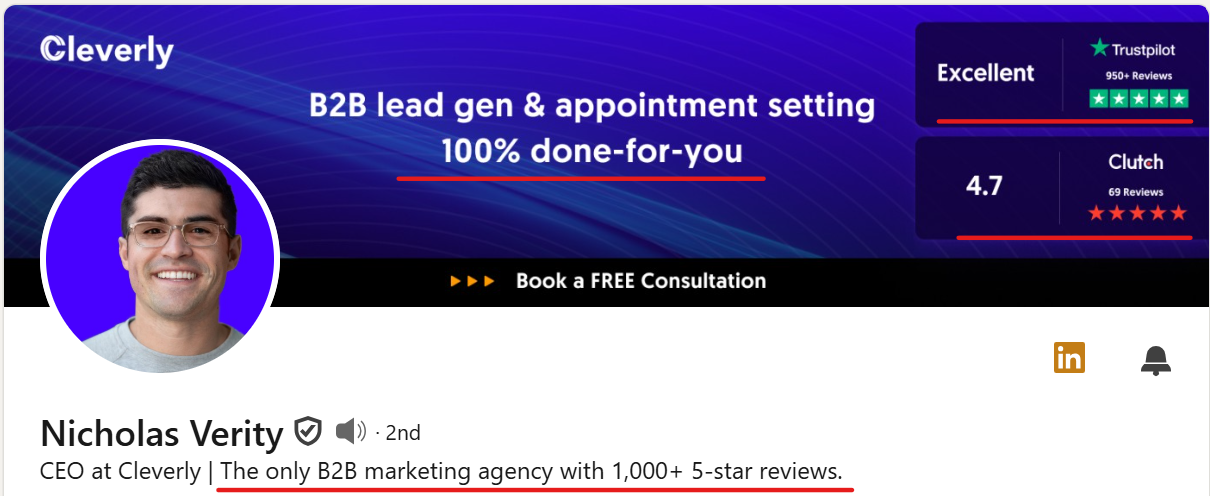
Your LinkedIn profile shouldn’t read like a résumé. It should function as a conversion funnel for inbound and outbound prospects alike.
Here’s how to optimize your LinkedIn profile for B2B lead generation:
- Use Outcome-Driven Headlines
Swap your default job title for a headline that speaks to the results you deliver. For example:
“Helping SaaS Companies Scale Pipeline to $5M+ ARR with LinkedIn Prospecting” - Banner Image = Soft Pitch + Credibility
Design a professional banner that reinforces your expertise. Include a tagline, logo, or a trust signal like client logos or media mentions.
- ‘About’ Section: Pain Points + Social Proof
This is prime real estate to build rapport. Address your audience’s biggest challenges, outline how you solve them, and layer in social proof like:
“Trusted by 200+ B2B teams.” - Featured Section: Lead Magnets & Booking Links
Showcase case studies, free resources, or a link to your Calendly. Make it frictionless for prospects to take the next step.
When you optimize your LinkedIn profile, you instantly boost credibility and engagement, so every connection request and message you send feels relevant and trustworthy.
2. Use Trigger-Based Messaging Instead of Cold Outreach
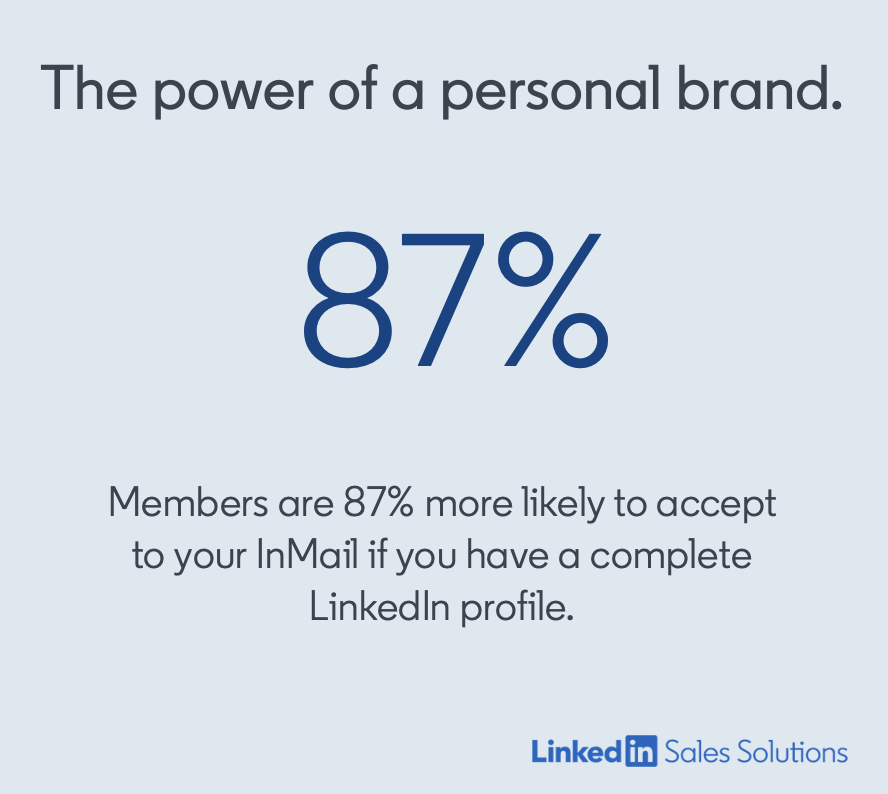
If you want to stand out in 2025, ditch the generic cold outreach for B2B lead gen, and start using trigger-based messaging to connect when your prospects are most receptive.
Here’s why this works:
Unlike cold pitches, trigger-based outreach is contextual. You’re engaging people based on something they just did—which dramatically increases your chances of getting a warm reply.
Here are three powerful triggers to watch for:
✅ Job Changes
When a prospect starts a new role, they’re often re-evaluating tools, vendors, and strategies. Congratulate them * genuinely * , then offer helpful insights related to their new priorities.
✅ Content Posts or Engagements
If someone shares a post or comments on industry content, it’s a perfect opening. Mention their post to show you’ve done your homework before shifting into value-driven conversation.
✅ New Responsibilities or Team Growth
People promoted to leadership roles or expanding teams are usually facing fresh challenges. Use that context to position your solution naturally.
How to message prospects on LinkedIn using this approach:
- Message 1: Acknowledge the trigger (e.g., “Saw your recent post on AI in SaaS—great insights!”) and connect without pitching.
- Message 2: Share something valuable—a relevant case study or resource that aligns with their role.
- Message 3: Make a soft ask: “Would it be helpful to explore strategies we’ve used to help similar teams?”
This 3-touch sequence feels authentic, relevant, and timed perfectly, key ingredients for effective LinkedIn cold outreach B2B.
Use a Four-Touch LinkedIn Prospecting Sequence
Most prospects will not agree to a meeting after one message. A strong sequence develops the conversation gradually and gives the buyer a different reason to respond at each step.
Touch 1: Connection request
Mention a relevant reason for connecting without presenting your full offer.
Hi [First Name], I saw your post about [topic] and liked your point about [specific detail]. I work with similar B2B teams and would be glad to connect.
Touch 2: Conversation starter
After the connection is accepted, ask a short question connected to the prospect’s role or recent activity.
Thanks for connecting, [First Name]. You mentioned [problem] in your post. Is that mainly affecting [area one] or [area two] for your team?
Touch 3: Useful proof or resource
Share one relevant insight, example, or resource. Do not repeat the same meeting request.
We recently worked with a team facing a similar issue. The biggest improvement came from [brief insight]. Happy to send the short breakdown if it would be useful.
Touch 4: Low-pressure next step
Make the meeting relevant to the conversation that has already taken place.
It sounds like [problem] is still a priority. Would a short conversation about how similar teams are approaching it be useful, or is the timing not right?
Space the messages according to the prospect’s activity and response. Stop the sequence when the person declines, asks not to be contacted, or clearly does not match your offer.
The goal is not to send a predetermined number of messages at any cost. It is to create enough context for the prospect to decide whether a conversation is worthwhile.
3. Engage Daily With Your Ideal Customers’ Posts
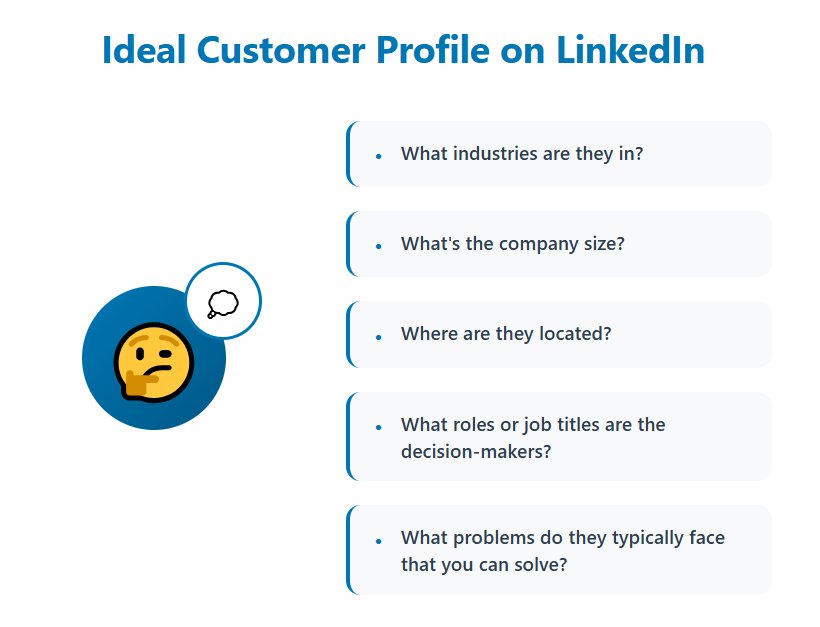
One of the simplest, and most overlooked, LinkedIn engagement tactics is consistently interacting with your target buyers before you ever send a connection request.
This strategy works because visibility breeds familiarity, which lowers resistance to your outreach.
When prospects see your name in their notifications over time, you instantly feel less like a stranger and more like a peer.
Here’s how to engage with B2B leads on LinkedIn effectively:
✅ Leave Thoughtful Comments on Your ICP’s Posts
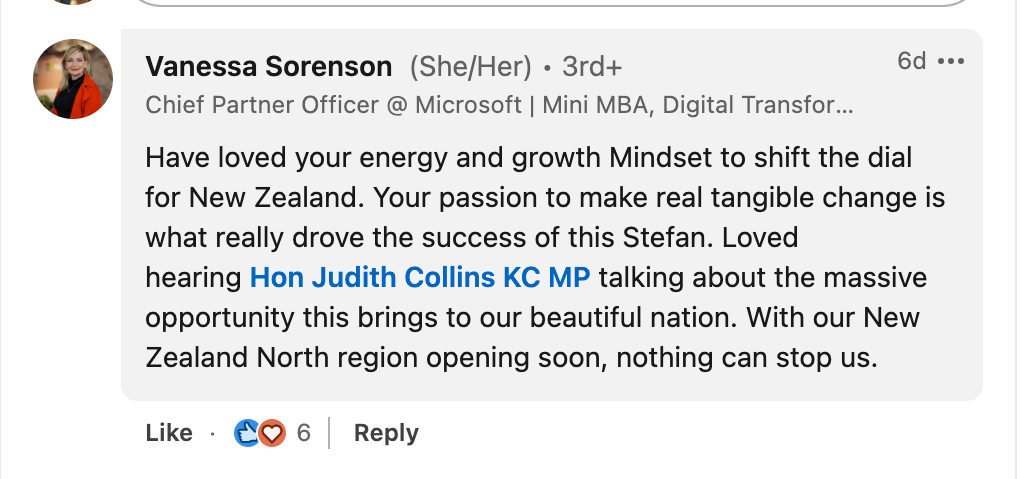
Instead of generic “Great post!” replies, leave specific and insightful comments that add value or ask a smart question. This demonstrates credibility and positions you as someone worth knowing.
Another example could be:
“Really interesting point about pipeline velocity—curious, have you seen AI tools help shorten sales cycles in your space?”
✅ DM Value-Based Insights Related to Your Comment
After engaging publicly, follow up with a short, no-pitch DM referencing your comment:
“Saw your post on scaling SDR teams—happy to share a playbook that’s worked well for other SaaS companies if you’d find it useful.”
✅ Build Visibility Before Connecting
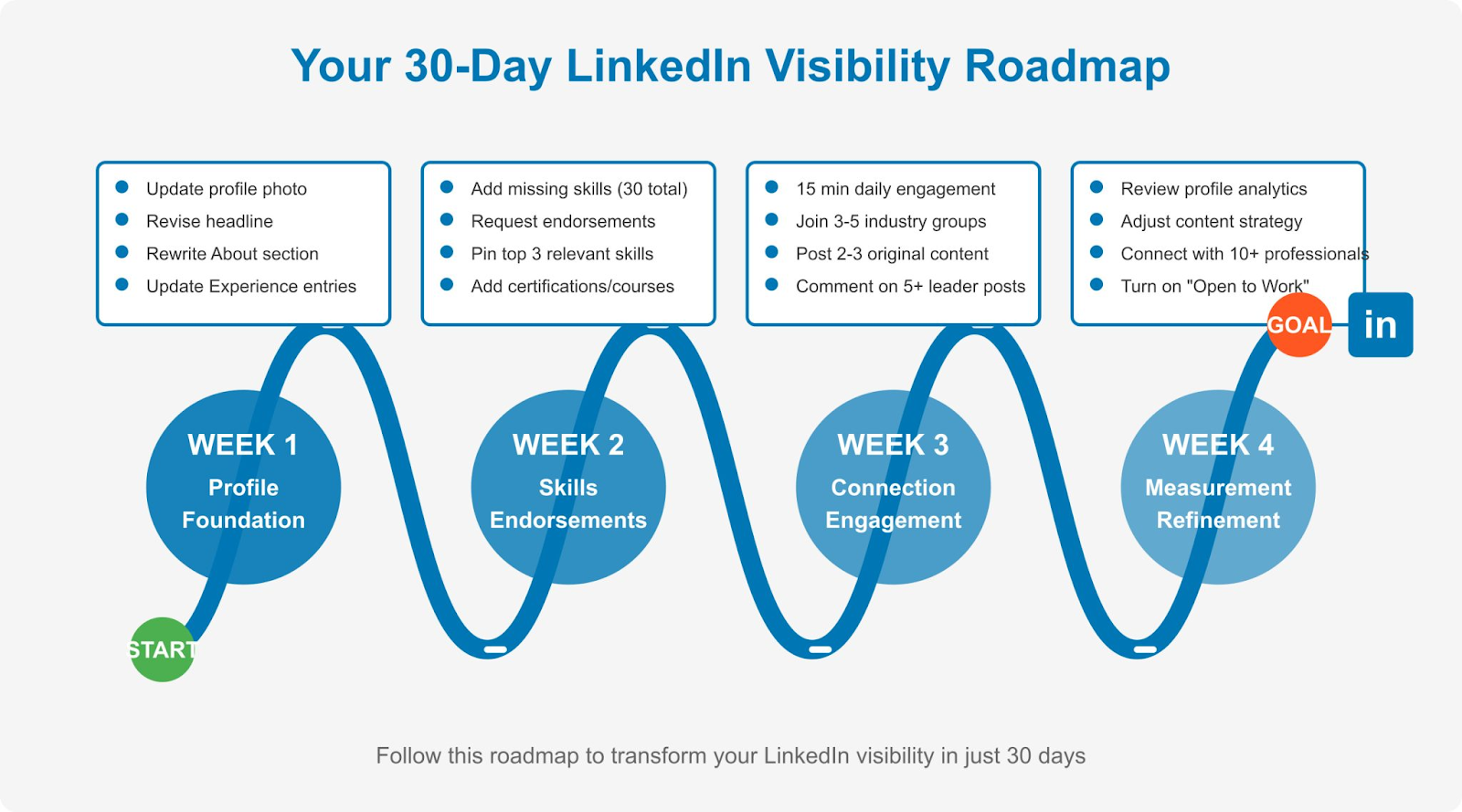
Aim to show up in your ideal customer’s feed multiple times over a week or two.
Once you’ve established familiarity, your connection request is far more likely to be accepted, and your message far more likely to be read.
This approach isn’t about chasing quick wins. It’s about strategic relationship building that warms up your pipeline naturally.
4. Use Search Filters + Boolean to Build a Dynamic Lead List
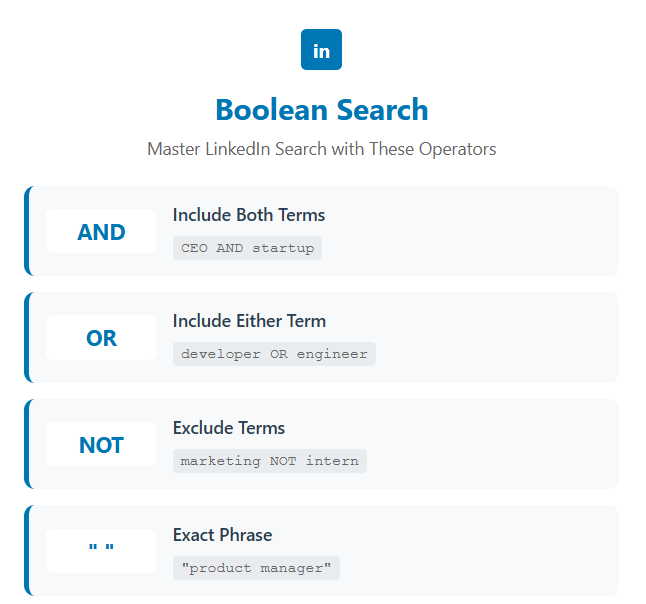
Before you ever write a message, you need the right people to send it to. The fastest way to waste time in LinkedIn prospecting is targeting the wrong audience—or failing to segment your approach.
With LinkedIn search filters and Boolean logic, you can build highly targeted, dynamic lead lists that keep your pipeline fresh and relevant.
Here’s how to find leads on LinkedIn step by step:
✅ Save Advanced Searches by Title, Location, and Industry
In LinkedIn’s free version, use filters like:
- Job Title (e.g., “VP Sales” OR “Head of Revenue”)
- Location (e.g., “United States” OR “Canada”)
- Industry (e.g., “Software” OR “Information Technology”)
Then, save these searches so you get notified when new prospects match your criteria.
✅ Use Sales Navigator for Deeper Filtering
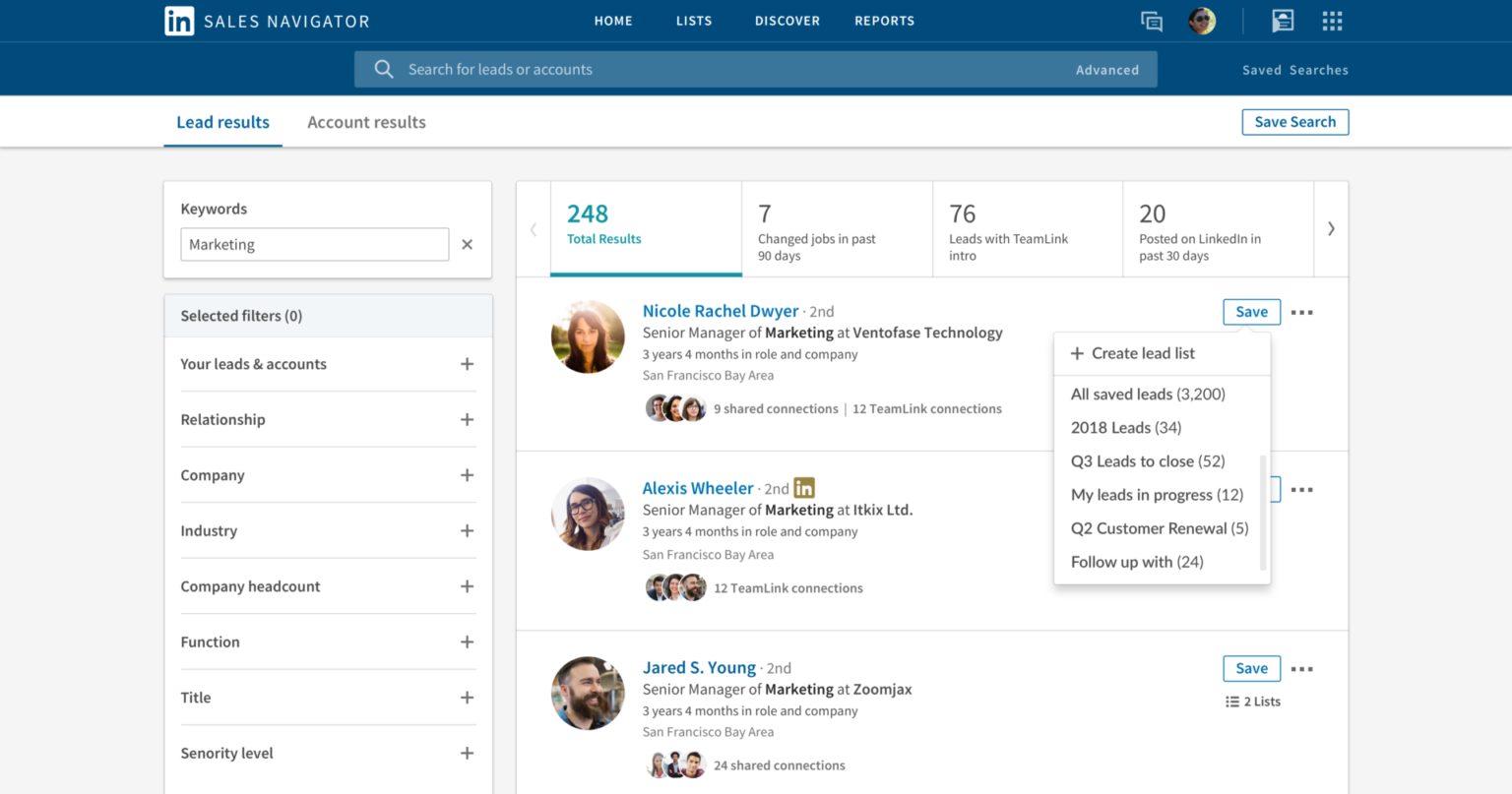
If you’re serious about prospecting, Sales Navigator is a must-have. You can filter by:
- Company headcount
- Recent job changes
- Years in position
- Posted content keywords
This makes it much easier to identify warm leads who are likely to respond.
✅ Build 5 ICP-Specific Lead Lists to Segment Outreach
Instead of one giant list, create 3–5 lists tailored to each Ideal Customer Profile (ICP).
For example:
- SaaS CROs in North America
- Fintech Marketing Directors in EMEA
- HR Leaders at mid-market companies
This segmentation allows you to craft messaging that speaks directly to each group’s unique pain points.
5. Publish Weekly POV-Driven Content
If you want to consistently generate warm leads, you can’t rely on outreach alone—you also need to attract prospects to you.
In 2025, the most effective LinkedIn content strategy is built around Point of View (POV)-driven content that showcases your expertise and humanizes your brand.
Here’s how to create a LinkedIn B2B content engine that fuels inbound conversations:
✅ Mix Content Types to Stay Fresh
Rotate between 3–4 content styles each week:
- Personal Story: Share lessons you’ve learned in your role or career.
- Client Win: Highlight a recent success (with permission) to build credibility.
- Myth-Busting: Challenge common misconceptions in your industry.
- Educational Carousel: Offer step-by-step guidance your audience can save and share.
An example:
✅ Include Clear Calls to Action
Every post should invite engagement, even if it’s soft. Use CTAs like:
📌 “DM me for a free resource”
📌 “Comment ‘GUIDE’ and I’ll send you the link”
📌 “Let’s connect if you’re exploring this for your team.”
✅ Aim for Consistency
Post at least 2 times per week + 1 carousel or document post to stay top-of-mind.
According to LinkedIn’s Content Benchmark Report (2024), consistent posting increases profile views by 150% and connection requests by 80% over time.
By sharing original insights and relatable stories, you’ll build credibility—and drive lead generation through content without sounding salesy.
📢 Pro Tip: The LinkedIn algorithm rewards creators who engage back. Reply to every comment to boost visibility and keep the conversation going.
Use a Three-Part Content Framework for Prospecting
Your content should answer the same questions that appear in sales conversations. Build your weekly posts around three categories.
Problem content
Explain a problem your buyers recognize but may not fully understand. Show its operational or commercial impact without turning the post into a product pitch.
Example: “Why adding more SDRs rarely fixes an audience-quality problem.”
Process content
Show how experienced teams approach a specific task, decision, or workflow. Give readers a method they can apply even if they never buy from you.
Example: “The five checks we run before approving a LinkedIn prospect list.”
Proof content
Share a client outcome, experiment, or lesson with enough context to make it credible. Explain what changed and why rather than publishing a result without the process behind it.
Example: “How narrowing one campaign from six industries to two improved the quality of booked meetings.”
Use these posts during outreach when they directly relate to the prospect’s situation. Sending a relevant explanation is useful. Sending an unrelated post only to create another touch is not.
6. Launch a Monthly Lead Magnet Campaign
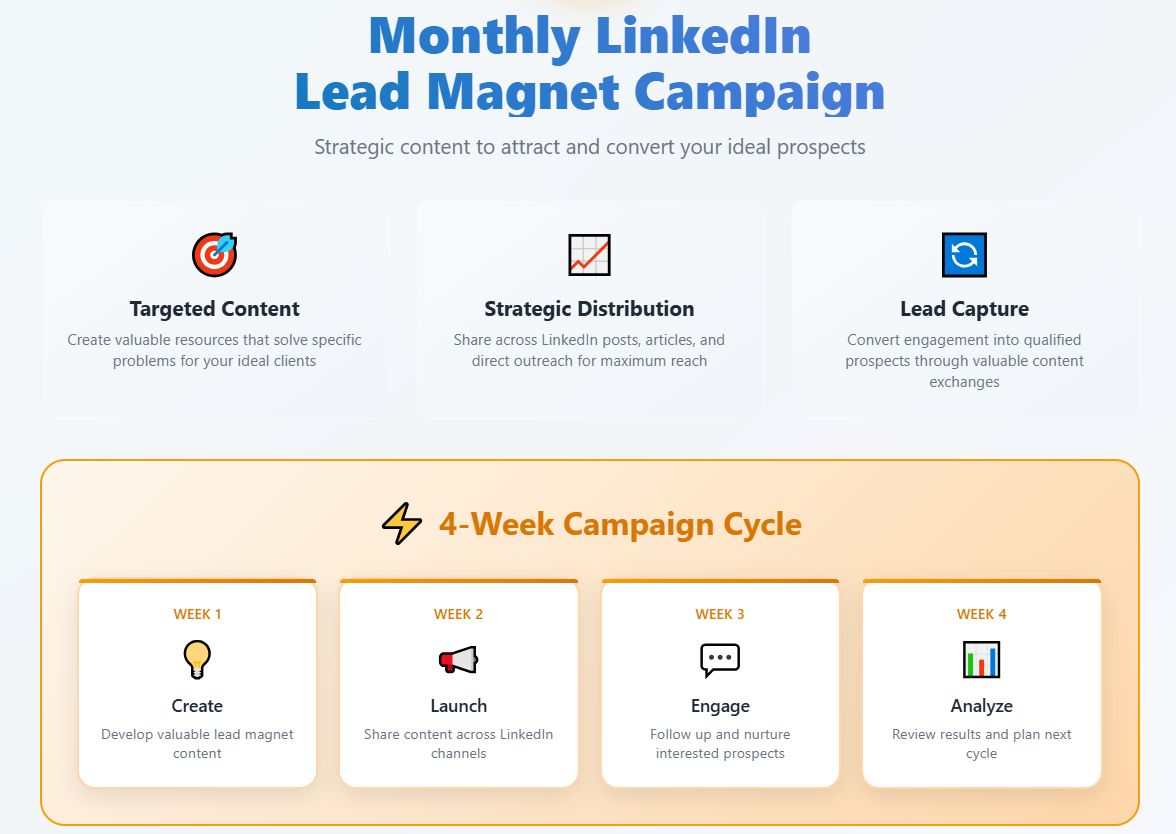
If you’re not offering something of value in exchange for contact details, you're leaving warm leads on the table.
In 2025, LinkedIn lead magnets are one of the most effective ways to capture B2B leads directly from your network—without spending on ads.
Here’s how to structure a high-converting B2B lead capture strategy on LinkedIn:
✅ Create Gated Content That Solves Real Problems
Each month, launch a new lead magnet tailored to your audience’s pain points:
- Industry trend reports or benchmarks
- Templates (e.g., sales scripts, growth frameworks)
- Mini-courses or swipe files
- ROI calculators or decision-making checklists
The key is specificity. Vague offers don’t convert, concrete tools and insights do.
✅ Promote via Organic Posts and DMs
Use your weekly content strategy to tease the lead magnet. For example:
“We just released our 2025 SaaS Sales Playbook—drop ‘PLAYBOOK’ in the comments and I’ll DM it to you.”
You can also send it directly in follow-up messages to warm leads.
✅ Link It Through Your Featured Section or Landing Page
Make it easy to access. Add the lead magnet to your LinkedIn Featured section or link out to a clean landing page with a short form.
This approach doesn’t just capture emails, it builds authority, drives conversations, and nurtures trust through valuable education.
7. Co-Comment With Shared Connections to Warm Prospects
One of the most underused LinkedIn engagement strategies in 2025 is co-commenting with your shared connections to create instant familiarity and credibility.
Instead of approaching prospects cold, you can warm them up by showing up where they already spend attention—in conversations with people they trust.
Here’s how to put this into practice for LinkedIn warm outreach:
✅ Track Who Your Mutuals Are Engaging With
Keep an eye on your top clients, partners, and industry peers. When they comment on posts from your target prospects, this creates an ideal opportunity to join the discussion organically.
✅ Join the Same Thread and Add Value
Don’t just drop a quick agreement. Leave a thoughtful, relevant comment that demonstrates your expertise. For example:
“Great point, Anna. Totally agree that buyer journeys have become nonlinear, curious if you’ve tried intent data to tackle this?”
✅ Reference the Mutual Connection in Your Follow-Up Message
Once you’ve co-engaged in a thread, your name is familiar. That’s when you send a warm DM:
“Hi [First Name], I noticed we both follow [Mutual Connection] and enjoyed your perspective on [Post Topic]. Thought it’d be great to connect and swap ideas.”
This micro-strategy builds credibility by association—and makes your outreach feel conversational rather than transactional.
8. Run Lead Gen Ads With High-Value Hooks
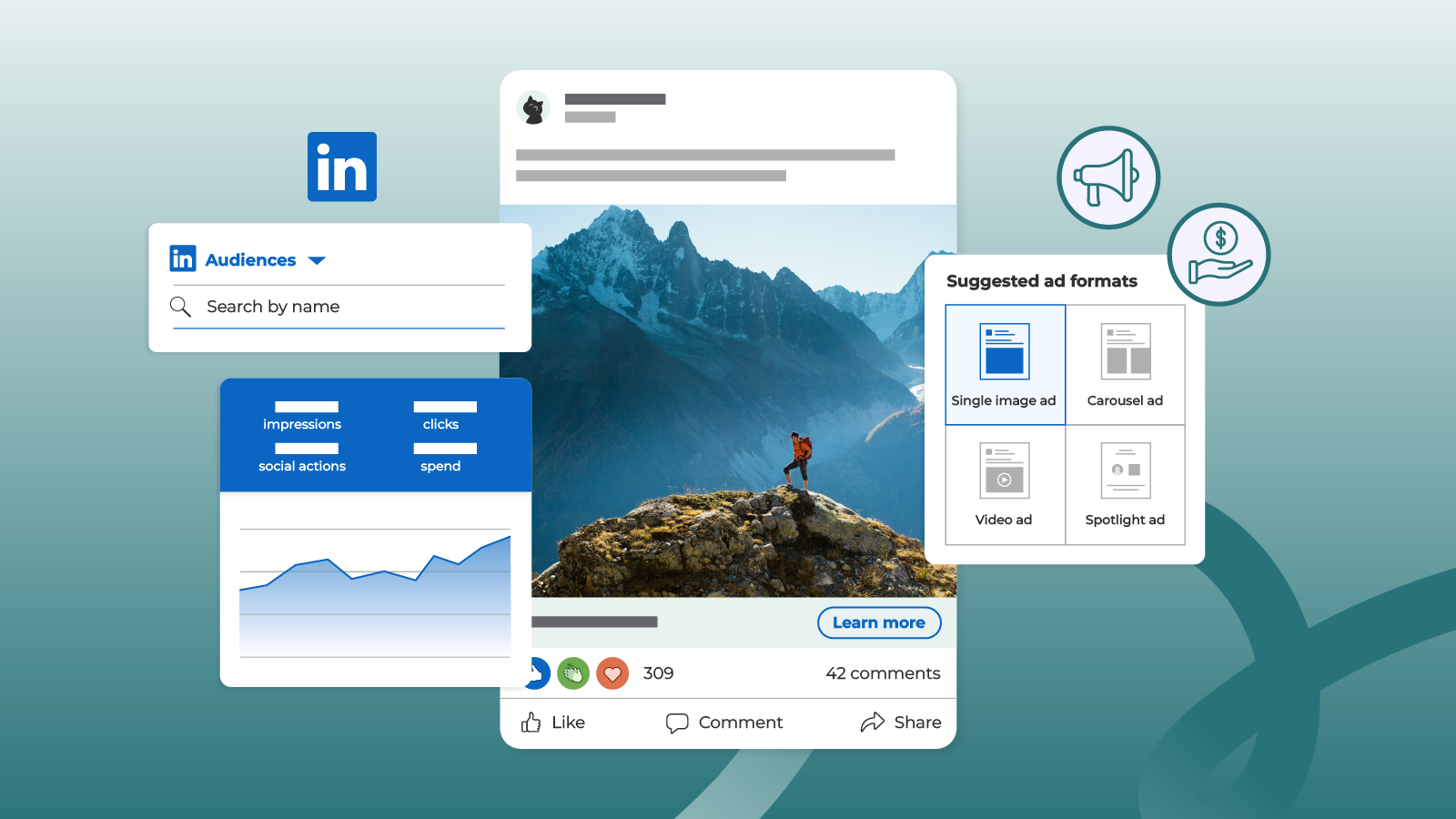
While organic outreach is essential, pairing it with LinkedIn lead gen ads B2B campaigns can accelerate your pipeline, especially when you combine high-value offers with retargeting.
Here’s how to build an effective LinkedIn B2B ad strategy for paid prospecting:
✅ Use Lead Forms + Exclusive Content Offers
Instead of sending prospects to an external landing page, use LinkedIn’s native lead gen forms.
These pre-fill with the user’s profile info, making it frictionless to opt in.
Offer gated assets that solve urgent problems:
- Industry benchmark reports
- Playbooks or templates
- ROI calculators
✅ Test Strong, Specific Hook Copy
Generic offers won’t cut through. Use clear, benefit-focused headlines such as:
“Free 2025 SaaS Hiring Report”
“How to Get 10 Warm Leads/Week on LinkedIn—Download Now”
These ad hooks instantly signal relevance and value, prompting higher conversion rates.
✅ Retarget Profile Visitors With a Second Ad
After launching your first campaign, create a retargeting audience of people who:
- Viewed your profile
- Clicked on your content
- Engaged with your ads
Then, show them a secondary offer or a direct invite to book a call. This sequential approach keeps your brand top-of-mind and builds familiarity over time.
9. Coordinate LinkedIn With Email and Calls
LinkedIn should not operate as an isolated prospecting channel. Buyers may notice your profile on LinkedIn, read an email later, and respond after a call or follow-up.
A coordinated sequence can look like this:
- View and research the prospect’s LinkedIn profile.
- Engage with a relevant post when you have something useful to add.
- Send a personalized connection request.
- Follow up on LinkedIn after the request is accepted.
- Send a short email that introduces a new point or proof source.
- Call when the account is qualified and the potential value justifies it.
Keep the context consistent across channels, but do not copy the same message into every inbox. LinkedIn can establish familiarity, email can carry a more detailed explanation, and a call can test whether the problem is active.
Record every touch in your CRM so one prospect does not receive disconnected messages from several salespeople. Pause the sequence when the buyer responds on any channel.
10. Measure LinkedIn Prospecting Effectiveness
A campaign should not be judged by the number of invitations sent or connections added. Those numbers show activity, but they do not reveal whether the audience or message is producing sales opportunities.
Track these metrics by audience segment and messaging angle:
- Connection acceptance rate
- Reply rate
- Positive reply rate
- Qualified conversation rate
- Meetings booked
- Meeting attendance rate
- Opportunities created
- LinkedIn-sourced pipeline
- Cost per qualified meeting
Review the numbers by job role, industry, company size, trigger, and campaign. A high reply rate from unsuitable prospects is not a successful result, while a smaller campaign that produces qualified meetings may deserve more investment.
When results decline, diagnose the funnel in order. Low acceptance usually points to targeting, profile credibility, or the connection request. High acceptance with low replies usually points to the message, offer, or follow-up. Meetings that rarely become opportunities usually indicate a qualification or audience-fit problem.
What We Learned For LinkedIn Prospecting Workflows
After studying over 1,000 successful LinkedIn prospecting campaigns, it’s clear the most effective workflows don’t rely on luck—or volume alone.
Instead, top performers follow predictable patterns that blend personalization, trust-building, and smart audience curation.
Below are two of the biggest takeaways you can apply right away.
⭐ Top Performers Focused More on Value Than Pitch
When it comes to LinkedIn sales prospecting, the best results came from value-based selling—not aggressive pitching.
Here’s what stood out:
✅ 3x More Likely to Publish Educational Content
High-performing profiles consistently shared practical, insight-driven posts, like how-to guides, industry benchmarks, and playbooks.
This approach positions you as a trusted resource rather than just another salesperson.
✅ Personalized Messages Outperformed Templates 5:1
Data showed that personalized outreach messages referencing the prospect’s role, company, or recent activity generated 5 times more replies compared to generic templates.
If you’re serious about scaling relationships, personalization isn’t optional—it’s the foundation of effective LinkedIn value-based selling in 2025.
⭐ Network Quality Beats Quantity
Another major insight: network size alone doesn’t drive conversions.
The top performers in our research built smaller, curated networks filled with their ideal customers—proving that ICP relevance trumps vanity metrics.
High-Converting Users Prioritized Relevance Over Scale
Instead of chasing thousands of connections, they focused on connecting with decision-makers who matched their Ideal Customer Profile—by title, industry, and company size.
Smaller Networks Drove More Engagement
Curated networks made it easier to maintain relationships and stay visible in the feed. As a result, posts and messages landed in front of exactly the right audience.
If you’re looking to grow B2B connections effectively, think quality over quantity—it’s the fastest way to build trust and credibility with the people who matter most.
📢 Pro Tip: Use LinkedIn’s filters to audit your network quarterly and remove irrelevant contacts to keep your audience clean.
🚀 Tactics Are Great. Done-for-You Is Better.
We run LinkedIn prospecting campaigns that actually convert, no ads, no spam. Book your free strategy call today.
Mistakes That Ruin LinkedIn Prospecting in 2026
Even with the best tools and tactics, LinkedIn lead generation can fail fast if you fall into these common traps.
From studying hundreds of campaigns and user behaviors, we’ve seen the same LinkedIn outreach failures repeated over and over—costing brands trust, engagement, and pipeline.
Avoid these B2B LinkedIn prospecting errors if you want to stand out and drive real results:
✅ Pitching Before Permission
Nothing kills trust faster than opening with a sales pitch to a cold contact.
Today’s buyers expect connection first, value second, and offers third. If you skip straight to pitching, your messages are almost guaranteed to be ignored—or worse, reported as spam.
Better: Lead with a relevant comment, a thoughtful question, or a helpful resource before introducing your offer.
✅ No Profile Value Proposition
Even if your outreach is perfect, your profile is your credibility check.
If you haven’t clearly articulated what you do and why it matters, prospects will bounce the moment they click your name.
Better: Use your headline, banner, and About section to showcase your value proposition, social proof, and ways to connect.
✅ Ignoring Follow-Ups and Comments
It’s rarely the first message that closes a conversation, it’s the follow-up.
Failing to respond to comments on your posts or neglecting to check in after your initial outreach is one of the biggest LinkedIn lead gen mistakes we see.
Better: Plan a 3–5 touch follow-up sequence and actively reply to all engagement on your content.
✅ Using Mass Automation With Zero Personalization
While automation can save time, using bulk tools to blast templated messages is a surefire way to damage your brand and burn your account limits.
Better: Use smart automation sparingly—and always layer in custom touches that prove you’ve done your homework.
How Cleverly Builds LinkedIn Prospecting Campaigns That Produce Qualified Leads
LinkedIn gives sales teams access to millions of professionals, but access is not the same as accurate targeting. Campaigns often underperform because the audience is too broad, the message does not match the buyer’s priorities, or follow-up stops before a real conversation develops.
Cleverly’s LinkedIn lead generation service connects targeting, messaging, campaign testing, and follow-up. We build prospect lists around your ideal customer profile, segment decision-makers by role and business need, and write outreach that gives each audience a relevant reason to respond.
Our team has helped more than 10,000 B2B clients generate over 224,000 leads and $312 million in pipeline. We use campaign-level data to identify which audiences and messages create qualified conversations, then refine the campaign around what is producing sales opportunities.
If your team is adding LinkedIn connections but struggling to create pipeline, see how Cleverly manages LinkedIn prospecting campaigns.

If you're interested in generating qualified B2B Leads through Linkedin at the most affordable pricing, book a strategy call with Cleverly!
Conclusion
Successful LinkedIn prospecting begins with the right audience. Define your ideal customer profile, segment prospects by role and need, and prioritize people showing credible reasons to engage.
From there, build conversations rather than sending isolated pitches. Use content to establish expertise, add new value in each follow-up, and coordinate LinkedIn with email or calls when another channel makes sense.
Review performance by qualified replies, meetings, opportunities, and pipeline. That feedback will tell you which audiences, messages, and prospecting tactics deserve to be repeated.
Frequently Asked Questions
Free Resource
How to Scale a Profitable Cold Call System
Get the complete guide — download it instantly now.

Free Ebook
Download the Free Guide
Enter your details to get instant access.
You're all set! 🎉
Your ebook is downloading now.
Click below if the download didn't start automatically.